
How to heat basement in winter is a common concern for homeowners who deal with cold floors, uncomfortable living space, or rising energy bills during colder months. Basements behave differently from the rest of the house because they sit partially or fully below ground. Concrete walls and floors absorb cold from the surrounding soil, which makes the space harder to heat. Many basements also receive less airflow from the home’s heating system, causing warm air to collect upstairs while the basement stays chilly. Relying on a single space heater often leads to uneven temperatures and higher electricity costs without solving the real issue.
Effective basement heating requires a combination of proper insulation, controlled airflow, and the right heating method for the space. When these elements work together, the basement can stay warm and usable throughout winter without placing extra strain on the rest of the home.
Why Basements Are Harder to Heat
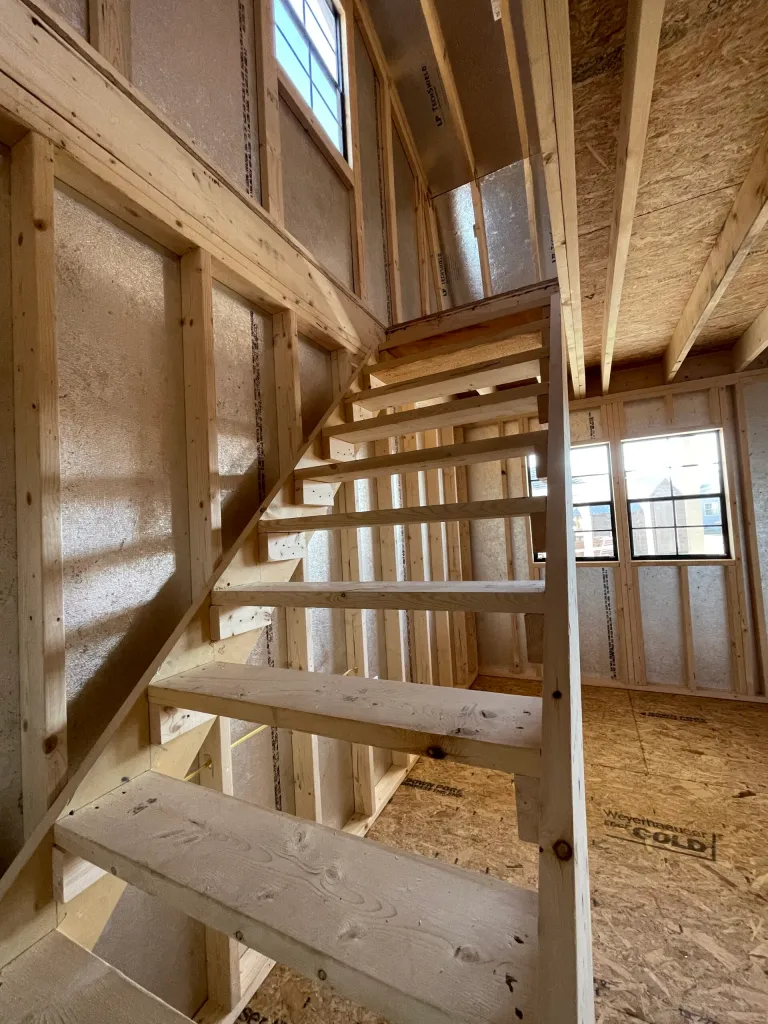
Basements lose heat faster than upper floors because of their construction and location. Concrete is a poor insulator and allows heat to escape into the surrounding ground. In many homes, basement walls are either uninsulated or only partially insulated, which allows cold to transfer directly into the space. Rim joists, which sit at the top of foundation walls, often have gaps that allow cold air infiltration.
Basements also tend to have fewer supply vents and limited return air paths, which restricts heat circulation. Since warm air naturally rises, heating systems prioritize upper floors, leaving the basement behind. Moisture also plays a role, because damp air feels colder and makes it harder to maintain a comfortable temperature. Understanding these factors explains why heating a basement requires a different approach than heating the rest of the house.
Using the Home HVAC System More Effectively
One of the first steps in learning how to heat basement in winter is improving how the existing HVAC system delivers heat. Many basements have supply vents that are closed or undersized. Opening vents fully allows more warm air to enter the space. Balancing dampers in the ductwork can redirect additional heat to the basement during winter. Return vents are just as important, because they allow air to circulate back to the furnace. Without return airflow, warm air stagnates upstairs. In some homes, adding a return vent improves temperature balance significantly.
Regular furnace maintenance also matters, because a system operating efficiently distributes heat more evenly. When the HVAC system works properly, the basement often becomes easier to heat without adding new equipment.
Insulating Basement Walls and Ceilings
Insulation is critical for maintaining warmth in a basement. Without insulation, any added heat escapes quickly through concrete walls and rim joists. Rigid foam board and spray foam are popular options because they resist moisture and reduce heat transfer. Fiberglass insulation can work when installed correctly with vapor control. Basement ceilings also affect heat retention.
Insulating the ceiling reduces heat loss from the upper floors into the basement, but it can make the basement colder if it blocks downward heat flow. In heated basements, wall insulation is usually more effective than ceiling insulation. Proper insulation allows heating systems to work more efficiently and reduces the need for constant temperature adjustments.
Radiant Floor Heating as a Basement Solution
Radiant floor heating is one of the most effective ways to heat a basement in winter. Because basements sit on cold slabs, warming the floor directly improves comfort immediately. Radiant systems distribute heat evenly and eliminate cold spots. Electric radiant mats work well for smaller areas, while hydronic systems suit larger or finished basements. Radiant heat does not rely on air circulation, which reduces drafts and dust movement. Although installation costs can be higher, radiant floors provide consistent warmth and energy efficiency over time. Many homeowners choose radiant heat when finishing a basement or renovating existing space because it addresses the cold floor issue directly.
Baseboard and Wall-Mounted Heaters
Baseboard and wall-mounted heaters offer another effective option for basement heating. These systems provide steady heat without relying on ductwork. Electric baseboard heaters are easy to install and allow individual room control. Wall-mounted heaters can deliver more concentrated warmth in larger areas. These systems work well when paired with proper insulation and air sealing. Unlike portable heaters, permanent heaters provide safer, more consistent performance. Zoning the basement separately from the rest of the house allows homeowners to adjust temperatures based on use, which improves comfort and energy efficiency.
Supplemental Heating Options and Safety
Supplemental heating can help address cold spots, but it should be used carefully. Portable space heaters provide quick warmth, but they consume a lot of electricity and pose fire risks if misused. Oil-filled radiators offer safer operation and more even heat, but they still increase energy costs. Gas heaters should only be used if properly vented. Any supplemental heat source should meet safety standards and be installed according to manufacturer guidelines. Supplemental heating works best as a short-term solution or in combination with insulation and airflow improvements, not as the sole heating method.
Managing Moisture to Improve Heating Efficiency
Moisture control plays an important role in basement heating. Damp air feels colder and reduces perceived comfort. Dehumidifiers remove excess moisture and make the space feel warmer even at lower temperatures. Proper drainage around the foundation prevents water infiltration that leads to damp conditions. Sealing cracks and maintaining gutters helps keep moisture out. Moisture problems often overlap with insulation and air sealing issues. Homeowners dealing with damp basements may also benefit from related guidance, such as how to get rid of mold on walls, since moisture and cold conditions often occur together.
Sealing Air Leaks and Improving Draft Control
Air leaks undermine any heating effort. Cold air entering through rim joists, utility penetrations, and basement windows forces heating systems to work harder. Sealing these leaks with caulk, spray foam, or weatherstripping improves warmth quickly. Basement doors should seal tightly to prevent drafts from unconditioned spaces. According to the U.S. Department of Energy, air sealing is one of the most cost-effective ways to improve heating efficiency. Stopping drafts allows warm air to stay where it belongs and reduces overall heating demand.
Long-Term Heating Improvements
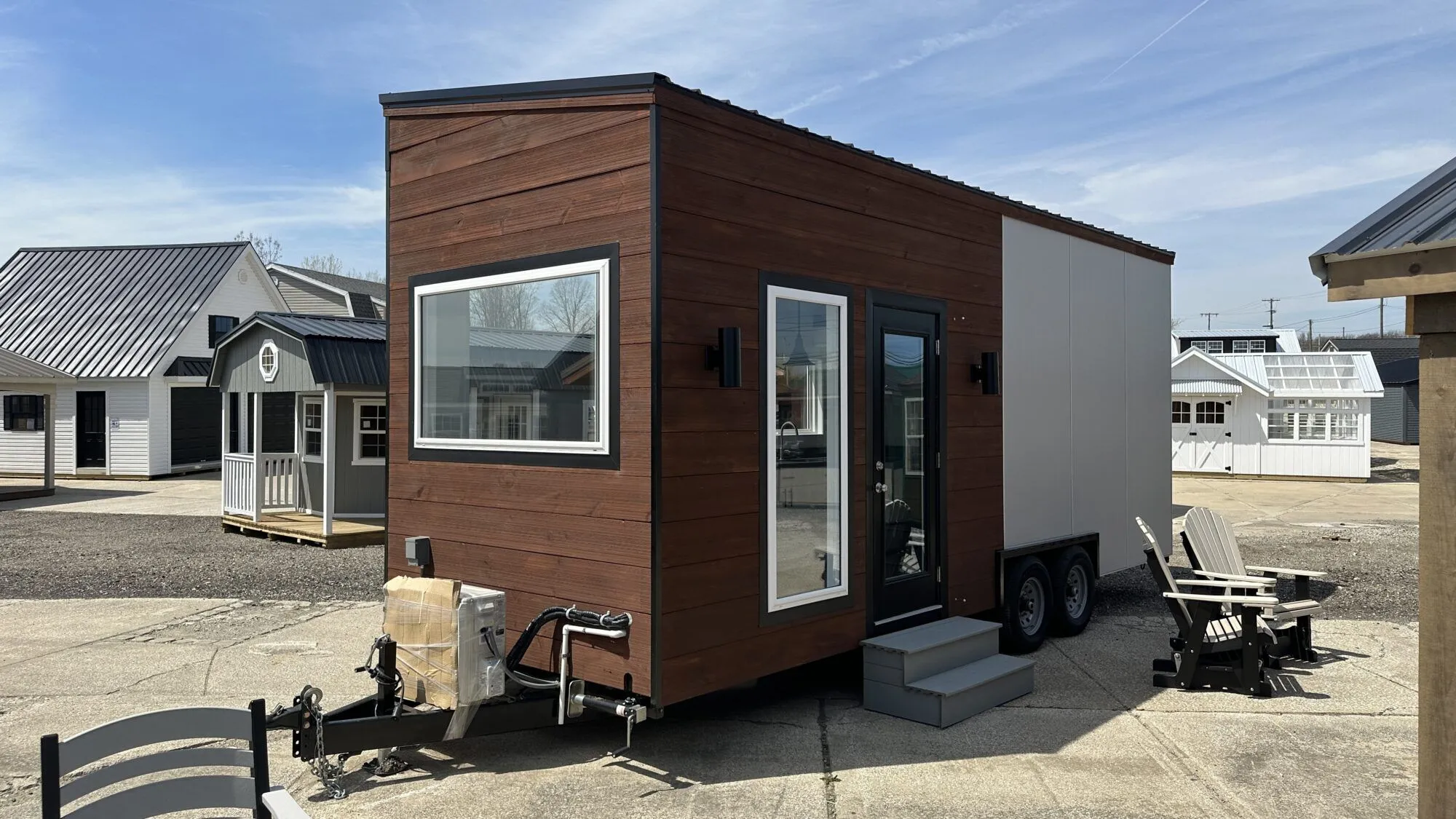
Some basements require more extensive upgrades to stay warm consistently. Exterior foundation insulation reduces heat loss at the source. Installing dedicated heating zones allows precise temperature control. Upgrading windows and doors further improves thermal performance. Structural improvements often provide the best long-term results, especially when combined with insulation and air sealing. Planning these upgrades carefully ensures they comply with building codes and align with the home’s design. Resources from Ohio Cabins and Structures help homeowners explore structural solutions that support comfort and efficiency.
Conclusion
How to heat basement in winter effectively requires more than adding heat. It involves understanding heat loss, improving insulation, managing airflow, and choosing the right heating method for the space. HVAC adjustments, radiant floors, permanent heaters, and moisture control all play important roles. Sealing air leaks and addressing structural issues create lasting improvements. With the right approach, basements can stay warm, comfortable, and usable throughout winter. For help planning upgrades or addressing structural concerns, reaching out through Ohio Cabins and Structures provides a reliable next step.