
How insulate garage door is a question many homeowners ask after noticing cold air, drafts, or rising heating costs during winter. Garage doors often represent the largest and weakest thermal opening in the entire structure. Because most standard garage doors are made of thin metal or wood panels, they allow heat to escape quickly and cold air to enter freely. As a result, even a heated garage can struggle to stay warm. In attached garages, this heat loss can also affect nearby living spaces inside the home. Insulating the garage door improves temperature stability, reduces drafts, and makes heating systems more effective.
However, insulation works best when applied correctly and paired with proper sealing. Understanding materials, installation steps, and common mistakes helps ensure long-term results instead of short-term fixes.
Why Garage Doors Lose So Much Heat
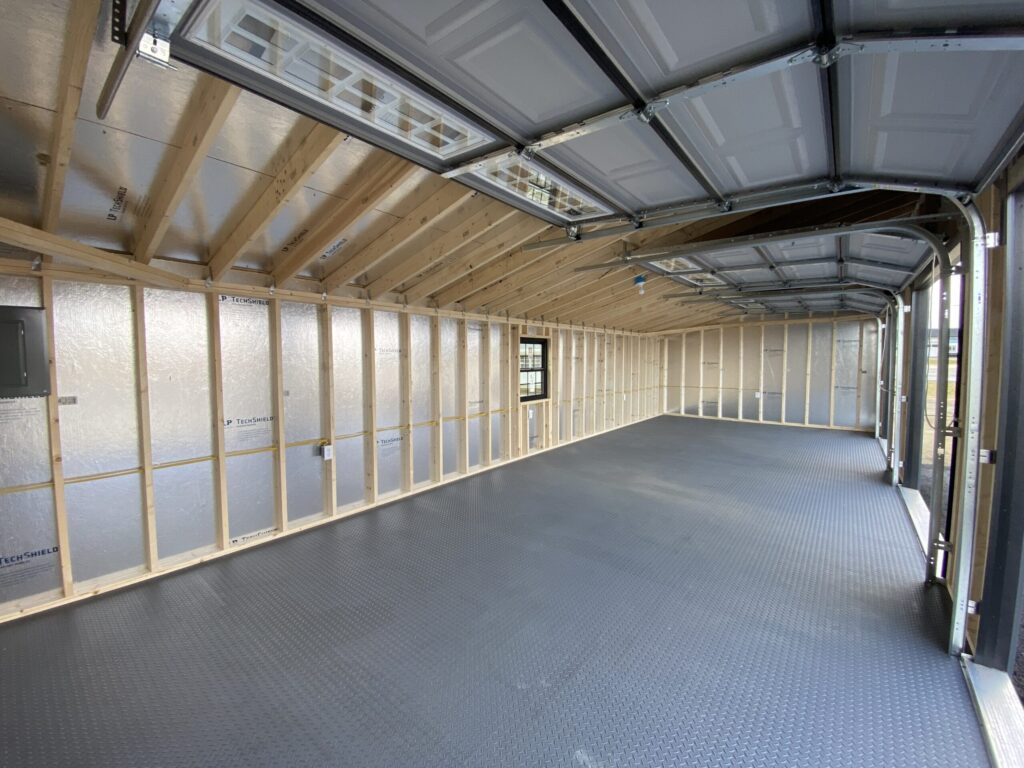
Garage doors lose heat faster than most other parts of the garage because of their size and construction. Many doors consist of single-layer metal panels with no insulation at all. These thin surfaces transfer outdoor temperatures directly into the garage. In addition, garage doors often have gaps around the edges, which allow cold air to enter. Because warm air rises, heat escapes through the upper panels and seams. Wind pressure makes the problem worse by forcing cold air through small openings. Concrete floors further amplify heat loss by pulling warmth downward. Because of these combined factors, insulating the garage door often delivers noticeable improvements faster than other upgrades.
Types of Garage Door Insulation Materials
Several insulation materials work well for garage doors, each with different strengths. Rigid foam board insulation is one of the most popular options because it offers good thermal resistance and easy installation. Polystyrene and polyurethane foam panels fit into door sections and resist moisture. Reflective insulation uses foil-faced material to reflect radiant heat, which works best in mild climates. Fiberglass insulation can also be used, but it requires careful sealing and protection to prevent moisture issues. Choosing the right material depends on climate, door type, and desired insulation performance.
Understanding R-Value and Garage Door Performance
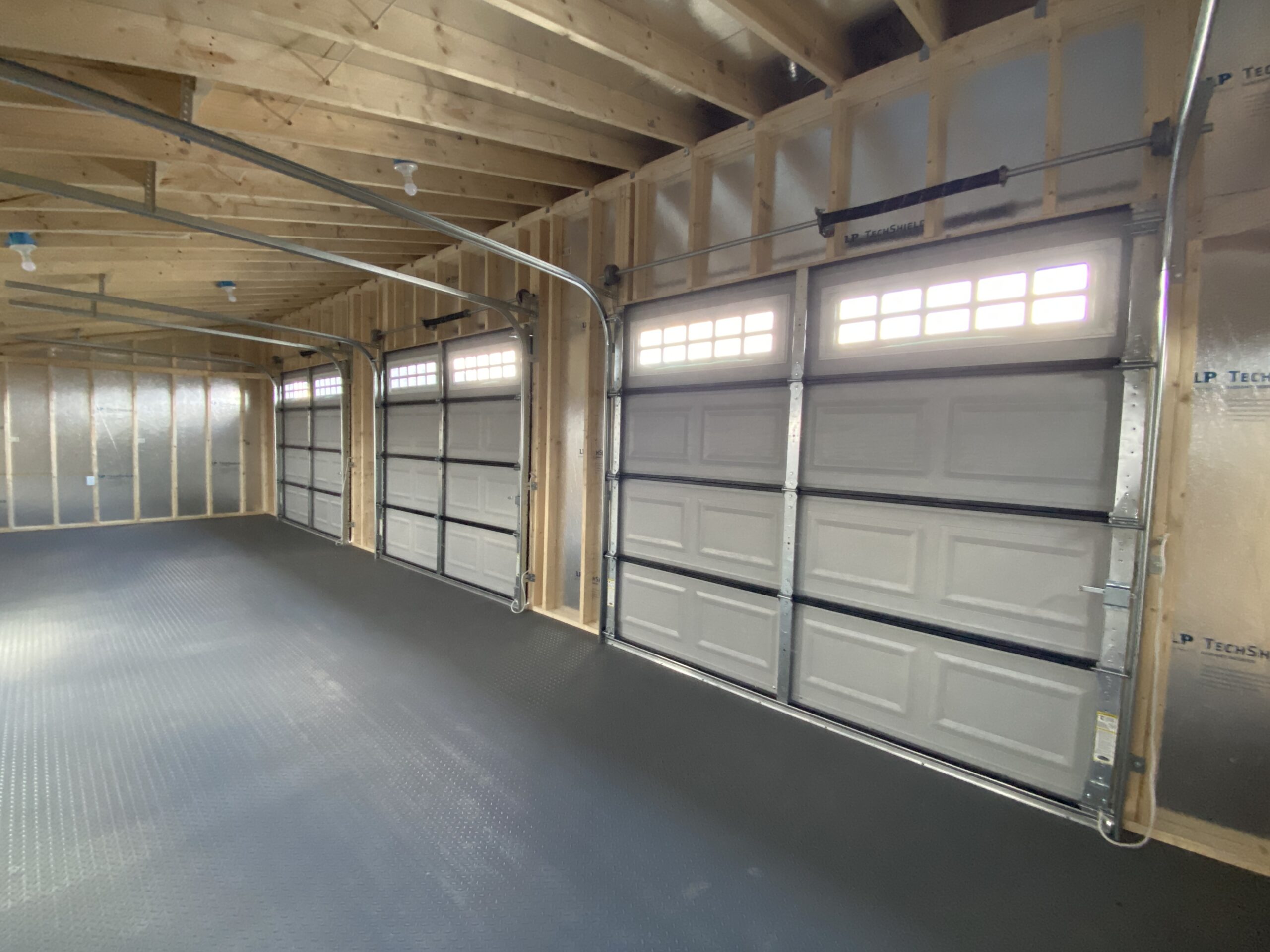
R-value measures how well insulation resists heat flow. Higher R-values indicate better insulation performance. Most uninsulated garage doors have very low R-values, which explains why they feel cold to the touch in winter. Foam board insulation significantly increases R-value and reduces heat transfer. However, insulation alone does not stop drafts. Air sealing plays an equally important role. When insulation and sealing work together, the garage door becomes far more effective at retaining heat. Understanding R-value helps homeowners choose insulation that provides real benefits instead of cosmetic improvement.
Preparing the Garage Door Before Insulation
Proper preparation ensures insulation performs as intended. Start by cleaning the garage door surface to remove dirt and debris. Inspect the door for damage, loose panels, or bent tracks. Repairing these issues first prevents problems later. Measure each door panel carefully to ensure insulation fits correctly. Check for gaps around the door frame and address them with weatherstripping if needed. Preparation also includes verifying that added insulation will not interfere with door movement or hardware. Taking time to prepare the door improves results and prevents installation issues.
How Insulate Garage Door With Foam Board Panels
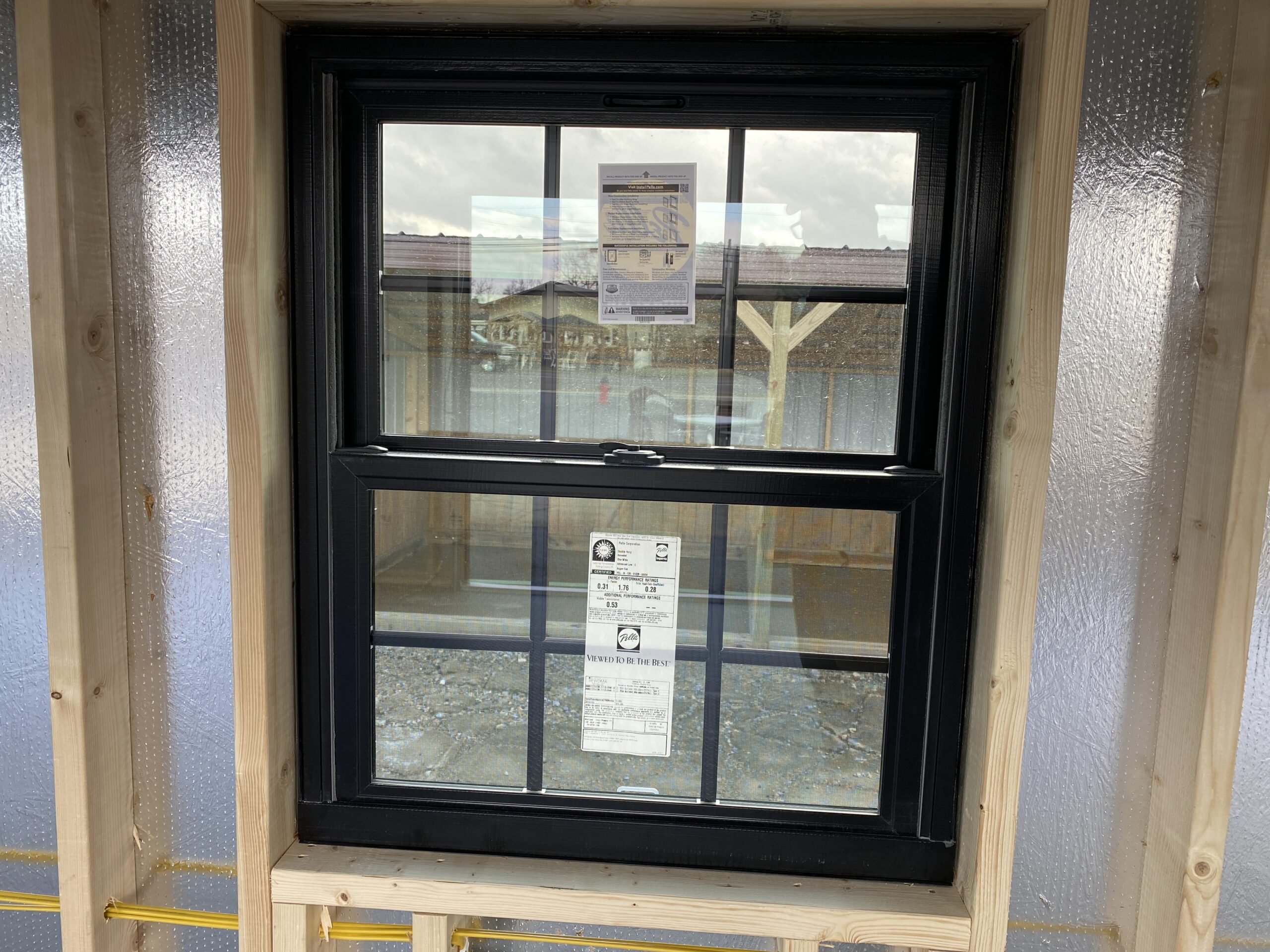
Foam board panels offer a straightforward way to insulate a garage door. Cut panels to fit snugly inside each door section. Secure them using adhesive or retaining clips designed for garage doors. Ensure panels sit flush without bending or blocking hinges. After installation, seal edges with foil tape to reduce air gaps. This method adds insulation without significantly increasing door weight. Foam board insulation improves temperature retention and reduces drafts when installed carefully. Many homeowners choose this option because it balances performance, cost, and ease of installation.
Using Garage Door Insulation Kits
Garage door insulation kits simplify the process by providing pre-cut panels and mounting hardware. These kits usually include foam board or reflective insulation sized for standard doors. Installation typically involves inserting panels into door sections and securing them with clips. Kits reduce guesswork and save time, especially for first-time installers. However, performance varies by kit quality and material type. Reading manufacturer specifications helps ensure the kit provides sufficient insulation value for your climate. Insulation kits work best when paired with proper door sealing.
Sealing Gaps Around the Garage Door
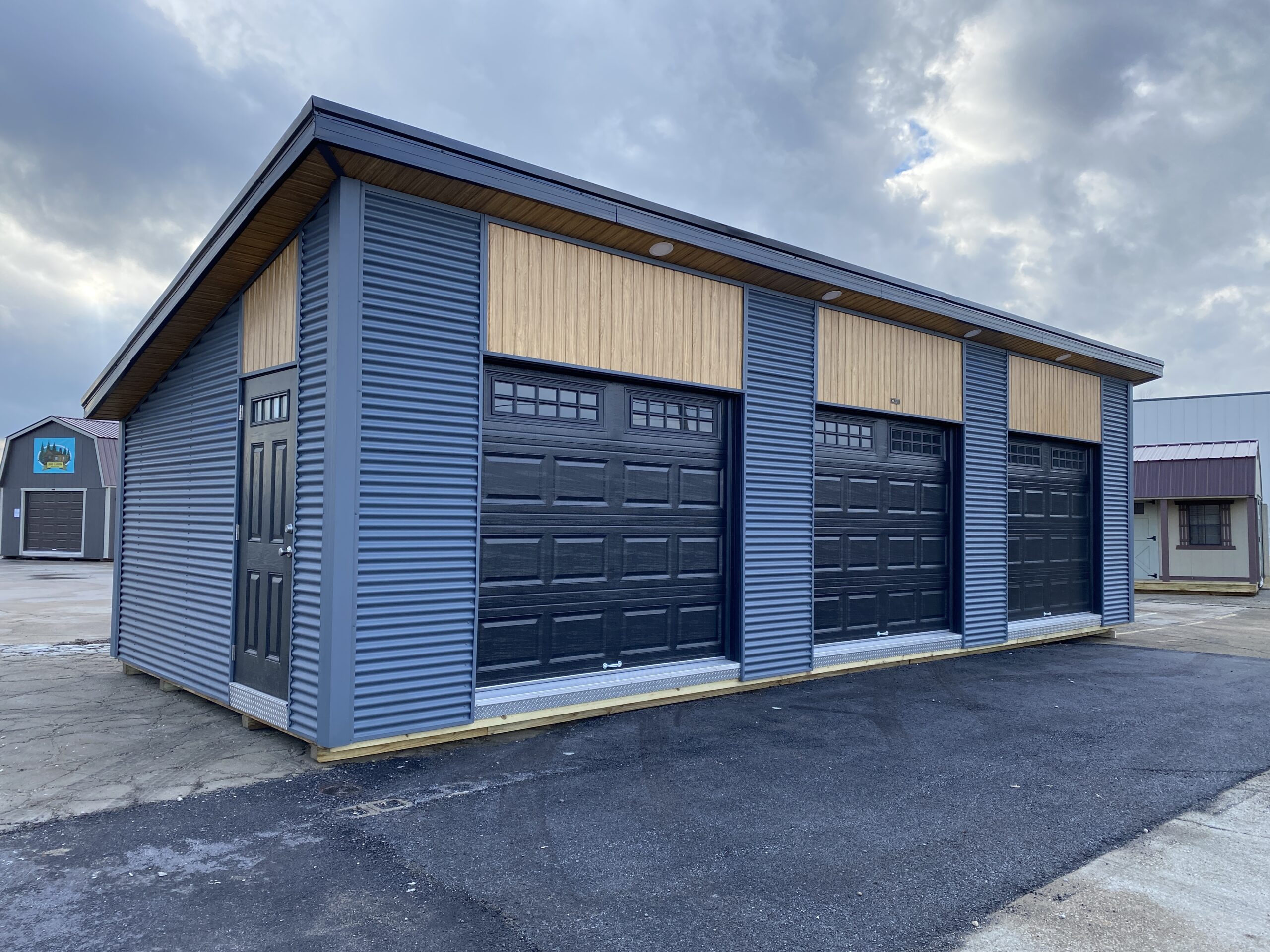
Insulating the door panels alone will not stop drafts if gaps remain around the edges. Weatherstripping seals the perimeter of the door and blocks cold air infiltration. Replace worn or brittle weatherstripping to improve performance. A tight bottom seal prevents cold air from entering at floor level. Side and top seals also matter because wind often pushes cold air through these areas. According to the U.S. Department of Energy, sealing air leaks significantly improves energy efficiency. Proper sealing enhances the effectiveness of door insulation.
Balancing Door Weight and Opener Performance
Adding insulation increases the weight of the garage door. Although foam board adds minimal weight, heavier materials can strain door springs and openers. After insulation, test door balance by lifting it manually halfway. A balanced door should stay in place. If the door feels heavy or drops quickly, spring adjustment may be necessary. Avoid overloading lightweight doors with thick insulation. Maintaining proper balance ensures safe operation and extends opener lifespan.
Improving Comfort in Attached Garages
Insulating the garage door provides extra benefits in attached garages. Cold air entering through the door affects nearby living spaces and increases heating demand inside the home. Insulation reduces temperature transfer and stabilizes indoor comfort. When combined with wall and ceiling insulation, door insulation creates a complete thermal barrier. This improves energy efficiency and reduces drafts in rooms next to the garage. Homeowners often notice more consistent temperatures throughout the house after insulating the garage door.
Combining Door Insulation With Other Upgrades
Garage door insulation works best as part of a larger strategy. Wall insulation, ceiling insulation, and air sealing all contribute to better performance. Heating systems operate more efficiently when heat loss is reduced. Moisture control also matters because damp air feels colder and reduces comfort. Homeowners dealing with moisture issues may find related guidance useful, such as how to get rid of mold on walls. Addressing the garage as a system delivers longer-lasting results.
Common Mistakes to Avoid
Several mistakes reduce the effectiveness of garage door insulation. Leaving gaps between panels allows air leakage. Using insulation that absorbs moisture can cause mold or damage. Blocking door hardware or tracks interferes with safe operation. Ignoring weatherstripping leaves drafts unaddressed. Rushing installation often leads to poor fit and wasted materials. Avoiding these mistakes improves insulation performance and prevents future issues.
Long-Term Value of Insulating a Garage Door
Insulating a garage door provides long-term value through improved comfort and energy efficiency. Reduced heat loss lowers heating costs and improves garage usability. Stored items benefit from more stable temperatures. In attached garages, insulation also protects indoor comfort. Although insulation requires upfront effort, benefits last for years when installed correctly. Planning upgrades carefully ensures the investment delivers consistent performance.
Conclusion
How insulate garage door effectively involves choosing the right materials, installing them correctly, and sealing all air gaps. Garage doors lose heat quickly because of thin construction and large surface area. Foam board panels, insulation kits, and proper weatherstripping all improve performance. Maintaining door balance ensures safe operation after insulation. When combined with other garage upgrades, door insulation delivers lasting comfort and energy savings. For guidance on structural improvements or planning garage upgrades, homeowners can reach out through Ohio Cabins and Structures.