
Many homeowners and first time builders ask what are wall studs when learning about residential construction. Wall studs form the vertical structural members inside framed walls. They support the weight of the roof and upper floors while also providing attachment points for drywall, insulation, and exterior siding. Without studs, walls would lack structural integrity and stability.
Although studs remain hidden behind finished surfaces, they carry significant loads and maintain wall alignment. They create the skeleton that shapes every room. When builders design a structure, stud placement determines strength, spacing, and support capacity.
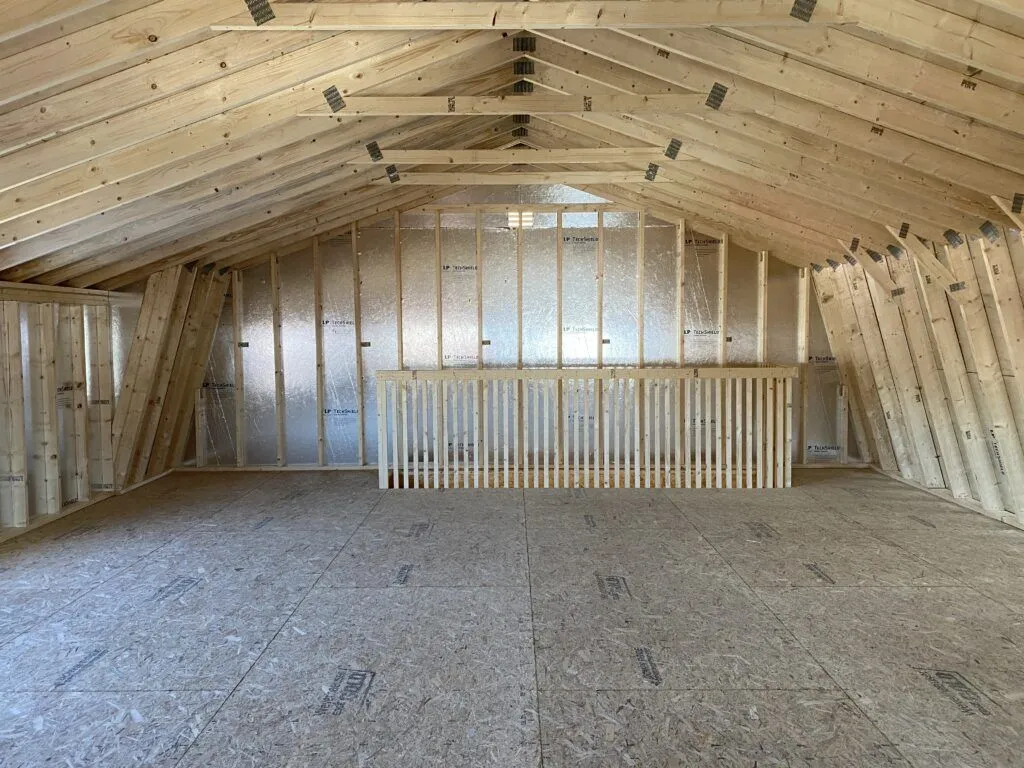
The Basic Role of Wall Studs in Construction
Wall studs serve as vertical framing components positioned between the top plate and bottom plate of a wall. They transfer weight from the roof or upper levels down to the foundation. Because of this role, stud spacing must follow specific building codes to ensure safety and durability.
In most residential construction, builders space studs either 16 inches or 24 inches on center. Sixteen inch spacing provides stronger support, especially in load bearing walls. Twenty four inch spacing reduces material use but still meets structural standards when properly designed. When evaluating what are wall studs, spacing becomes one of the most important details.
Load Bearing vs Non Load Bearing Stud Walls
Not all stud walls carry structural loads. Load bearing walls support the weight of floors and roofing systems above. Removing these walls without reinforcement can compromise structural stability. Non load bearing walls, in contrast, serve primarily as room dividers and do not carry significant weight.
Understanding the difference matters during remodeling projects. Before removing any wall, determine whether the studs support overhead loads. Knowing what are wall studs and how they function prevents costly structural mistakes during renovation.
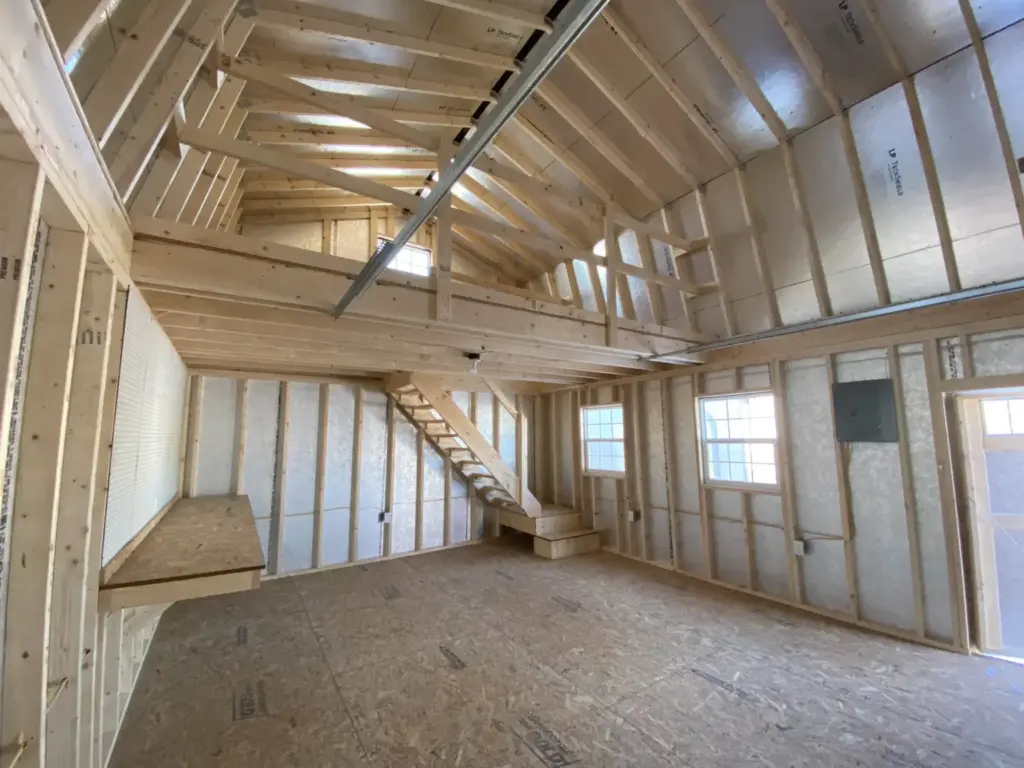
Common Materials Used for Wall Studs
Most residential wall studs are made from dimensional lumber, typically two by four or two by six boards. Two by six studs offer increased strength and allow for thicker insulation. Lumber species such as pine and spruce remain common because they provide strength and workability.
Steel studs also appear in commercial and some residential construction. They resist pests and do not warp like wood. However, they require specialized fasteners and installation methods. Builders choose materials based on structural needs, cost, and climate conditions. When asking what are wall studs made from, the answer usually begins with wood but may include steel alternatives.
Stud Layout and Framing Components
Studs do not stand alone. They connect to top plates, bottom plates, and additional framing components such as headers and cripple studs. Headers span door and window openings to distribute weight above the gap. Cripple studs fill space above or below openings to maintain consistent spacing.
Accurate layout ensures walls remain straight and capable of handling loads. Builders mark stud locations carefully before nailing components together. A precise layout directly affects how finished surfaces align. Understanding what are wall studs also means recognizing how they interact with other framing members.
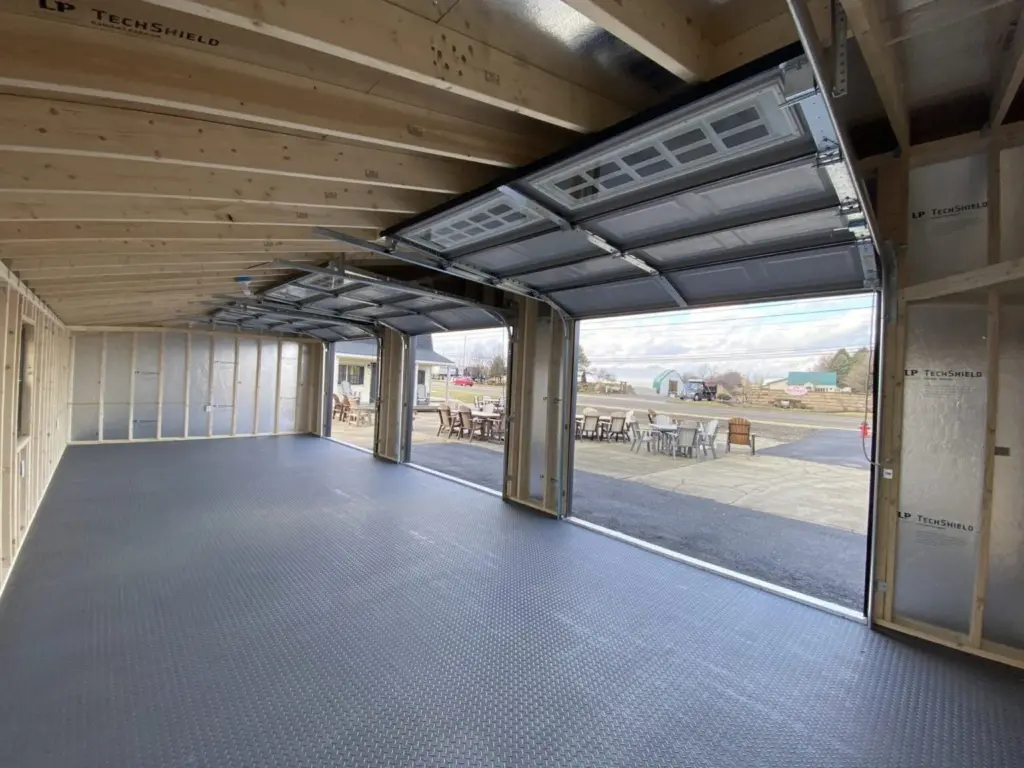
How Wall Studs Support Insulation and Finishes
Beyond structural duties, studs create cavities for insulation and utility systems. Electrical wiring and plumbing lines often run between studs. Insulation fits within these cavities to improve energy efficiency and indoor comfort.
Drywall attaches directly to studs using screws or nails. Exterior siding also fastens to the framing beneath. Therefore, wall studs provide both structural strength and finishing support. When homeowners ask what are wall studs, they often overlook their role in supporting interior and exterior finishes.
Stud Size and Structural Strength
Stud size influences wall performance. Two by four studs remain common in single story structures. Two by six studs offer additional load capacity and improved insulation depth. Taller walls may require engineered lumber or reinforced framing.
Structures designed for workshops or garages often use larger framing members to handle roof loads and equipment storage. For example, a structure such as the 14×36 Modern Garage relies on strong framing to support overhead systems and wide openings. Strong studs form the backbone of durable buildings.
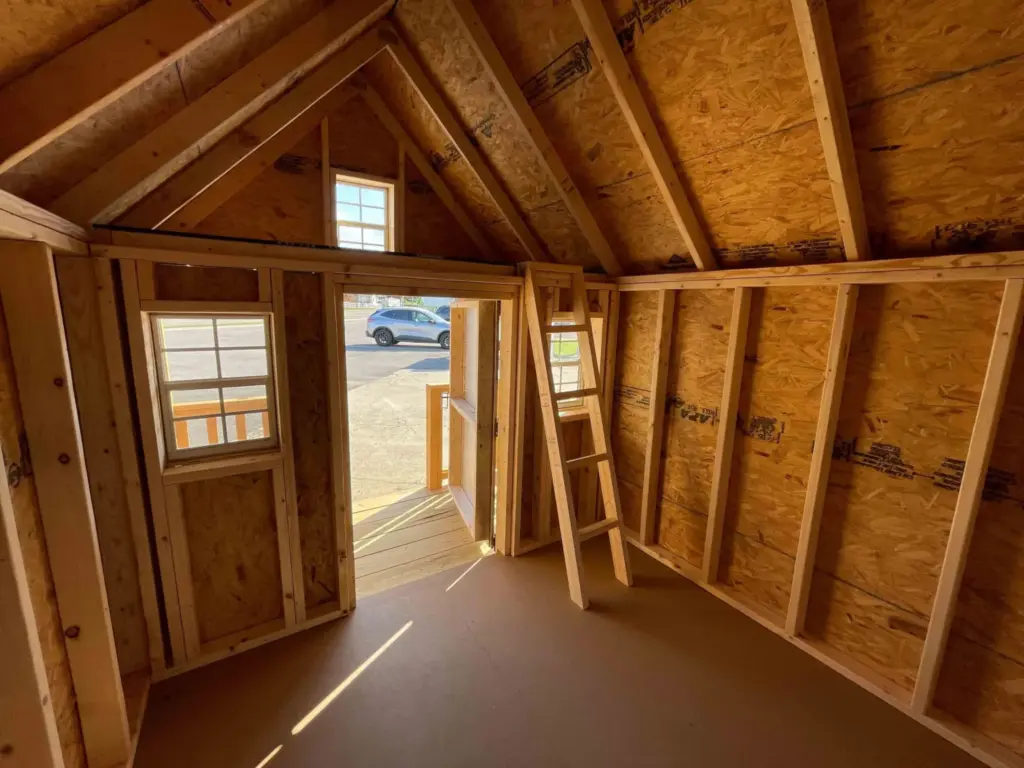
Wall Studs in Larger and Multi Level Structures
In multi level construction, wall studs transfer weight from upper floors to lower structural supports. This vertical load path ensures balanced distribution across the foundation. Misaligned studs can create uneven stress points.
Buildings such as the 16×24 2 Story Workshop depend on carefully aligned studs to maintain stability between levels. Precise framing protects against sagging floors and cracked finishes. Stud alignment becomes even more critical as building height increases.
Common Problems With Wall Studs
Improper installation can lead to structural issues. Warped lumber may cause uneven walls. Incorrect spacing weakens load bearing capacity. In some cases, moisture exposure leads to rot or mold growth. Regular inspection during construction prevents these problems.
Homeowners planning renovations should use stud finders to locate framing before drilling or mounting heavy objects. For additional technical information about wood framing standards and structural guidelines, this resource from the American Wood Council provides detailed building code references. Following proper standards ensures safe and durable construction.
Why Proper Stud Installation Matters
Properly installed wall studs ensure structural alignment and prevent shifting, which protects drywall finishes and maintains long term durability. Accurate stud spacing also improves insulation performance and provides secure anchoring points for cabinets, shelving, and wall mounted fixtures.
Conclusion
So wall studs are the vertical structural members that support weight, shape rooms, and anchor finishes. They transfer loads from the roof and upper floors down to the foundation while also creating space for insulation and utilities. Whether building a garage, workshop, or residential home, strong and properly spaced studs ensure long term durability. Ohio Cabins and Structures designs buildings with carefully engineered framing systems built for strength and reliability. This article explained what are wall studs and why they play a central role in structural construction. To explore durable structures built with strong framing systems, visit Ohio Cabins and Structures.