If you are planning to upgrade your shed, one of the smartest improvements you can make is installing a metal roof. Many homeowners search for how to install metal roofing on a shed because it offers durability, long-term protection, and a clean appearance. Unlike traditional shingles, metal roofing can last decades with minimal maintenance. While the process may seem technical at first, it becomes manageable when broken down into clear steps. This guide walks you through everything from preparation to installation so you can complete the project with confidence and avoid costly mistakes.
Why Metal Roofing Is A Smart Choice For Sheds
Metal roofing has become a popular option for sheds because of its strength and longevity. Unlike asphalt shingles, metal panels resist cracking, warping, and water damage. They perform well in extreme weather conditions, including heavy rain, snow, and high winds. Another advantage is low maintenance. Once installed properly, metal roofing requires very little upkeep compared to other materials. It also reflects heat, which can help keep the interior of your shed cooler during hot months. Many homeowners choose metal roofing because it offers a balance of durability and cost-effectiveness. Although the upfront cost may be higher than that of shingles, the long lifespan often makes it a better investment over time.
Tools And Materials Needed Before You Start
Before learning how to install metal roofing on a shed, it is important to gather all the necessary tools and materials. You will need metal panels, roofing screws with rubber washers, a drill, measuring tape, a chalk line, and metal snips for cutting panels. Safety gear, such as gloves and protective eyewear is also essential. A sturdy ladder is required to safely access the roof. Underlayment or a moisture barrier may be needed, depending on your shed’s structure. Having all materials ready before starting helps avoid delays and ensures a smoother installation process. Proper preparation makes a significant difference in both safety and efficiency.
Preparing The Shed Roof For Installation
Preparation is one of the most important steps in the installation process. Start by removing any old roofing material if your shed already has a roof. Inspect the roof deck for damage such as rot or weak spots, and repair any issues before proceeding. The surface must be clean, dry, and level to ensure proper installation. Installing an underlayment adds an extra layer of protection against moisture and improves the overall durability of the roof. Marking guidelines with a chalk line helps keep the panels aligned during installation. Taking the time to prepare the roof properly ensures better results and reduces the risk of future problems.
Step By Step Guide To Installing Metal Roofing Panels
Understanding how to install metal roofing on a shed requires following a clear sequence of steps. Begin by placing the first metal panel at one edge of the roof, ensuring it is properly aligned with the edge and overhang. Secure the panel using roofing screws, placing them along the ridges as recommended by the manufacturer. Continue installing panels one at a time, overlapping each panel slightly to prevent water from seeping through. Use a chalk line to maintain straight alignment across the roof. When reaching the edges or corners, cut panels to fit using metal snips. Proper spacing and alignment are essential for both appearance and performance. Work carefully and double-check each panel before securing it fully.
Installing Ridge Caps And Finishing Touches
Once the main panels are installed, the next step is to add ridge caps and finishing components. Ridge caps are placed along the peak of the roof to seal the gap where two roof slopes meet. This prevents water and debris from entering the structure. Secure the ridge caps with roofing screws, ensuring they overlap properly for maximum protection. Seal any exposed edges or joints with appropriate sealant to prevent leaks. Finishing touches, such as trim pieces along the edges improve both the appearance and functionality of the roof. Paying attention to these final details ensures your metal roof performs well and looks professional.
Common Mistakes To Avoid During Installation
Many homeowners run into problems because of simple mistakes during installation. One common issue is improper alignment of panels, which can lead to gaps and water leaks. Another mistake is over-tightening screws, which can damage the rubber washers and reduce their effectiveness. Failing to overlap panels correctly can also cause water infiltration. According to the U.S. Nuclear Regulatory Commission, proper construction practices and attention to detail are critical in ensuring structural reliability in building systems. Skipping preparation steps or using incorrect materials can result in costly repairs later. Avoiding these mistakes helps ensure a durable and long-lasting roof.
Choosing A Shed Built For Metal Roofing Durability
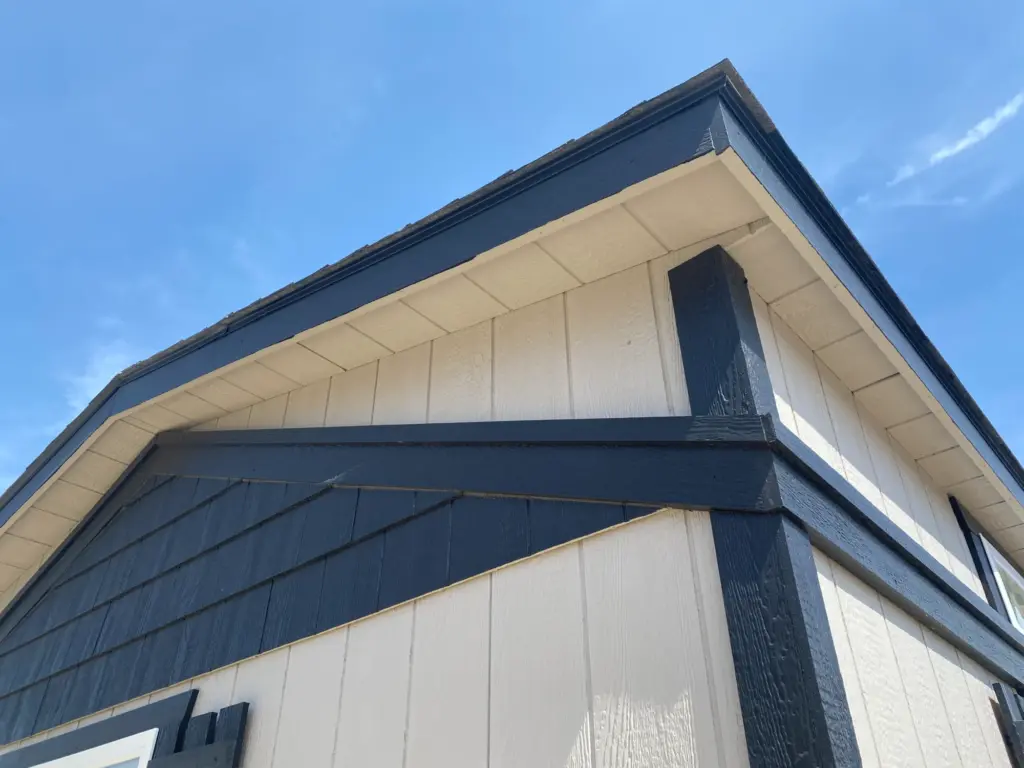
While installing metal roofing improves your shed, the overall structure also plays a major role in performance. A well-built shed provides a stable foundation that supports the roof and prevents issues over time. For example, the 14×16 Porch Barn offers a strong structure that works well with metal roofing systems, making it easier to achieve long-term durability. A quality structure ensures proper alignment and reduces stress on roofing materials, which can extend the lifespan of your installation.
Upgrading To A Larger Workshop With Metal Roofing
If you are considering a larger space, a workshop-style structure can provide even more flexibility. The 16×24 2 Story Workshop is a great example of a building that benefits from metal roofing. Larger structures require durable roofing solutions, and metal panels provide the strength needed to protect valuable tools and equipment. Upgrading to a larger building with proper roofing can improve both functionality and long-term reliability.
Maintenance Tips For Long Lasting Metal Roofs
After installation, regular maintenance helps keep your metal roof in excellent condition. Inspect the roof periodically for loose screws, debris, or damage. Cleaning the surface removes dirt and prevents buildup that could affect performance. Checking sealants and ridge caps ensures that all components remain secure and watertight. Avoid walking on the roof unnecessarily, as this can cause dents or damage. Simple maintenance steps can extend the life of your roof and keep your shed protected for years to come.
Conclusion
In the end, learning how to install metal roofing on a shed is about combining the right materials with careful execution. Metal roofing offers durability, efficiency, and long-term value when installed correctly. While the process requires attention to detail, following the proper steps makes it manageable for many homeowners. A strong shed structure paired with quality roofing creates a reliable space that can handle changing weather conditions. Ohio Cabin and Structures continues to provide dependable building solutions that support long-term performance. If you are planning to upgrade your shed or explore better options, visiting Ohio Cabin and Structures can help you find structures built to last.