Metal buildings have become a popular option for homeowners, businesses, and property owners who want a durable and cost effective structure. People often choose metal buildings for garages, workshops, storage, and even residential use. However, costs vary widely based on size, design, and intended purpose. This article explains how much metal buildings cost by breaking down pricing factors, material choices, and additional expenses. By understanding these details, you can estimate a realistic budget and decide whether a metal building fits your needs.
Average Cost of Metal Buildings
Most metal buildings cost between $15 and $40 per square foot for the structure alone. Smaller utility buildings usually fall on the lower end, while larger or customized buildings cost more. Basic kits provide framing and panels but exclude foundation and interior work. Fully finished buildings increase the total price significantly. Because metal buildings scale efficiently, larger structures often cost less per square foot. Understanding average pricing helps buyers avoid unrealistic expectations early in the planning process.
How Size Impacts Metal Building Costs
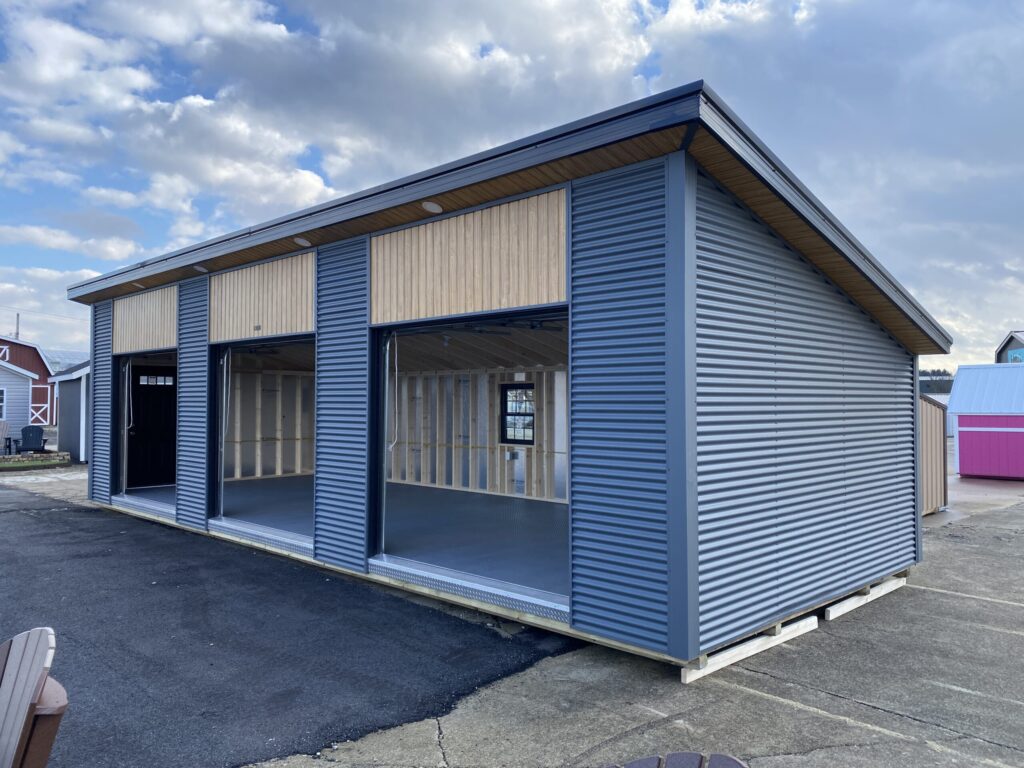
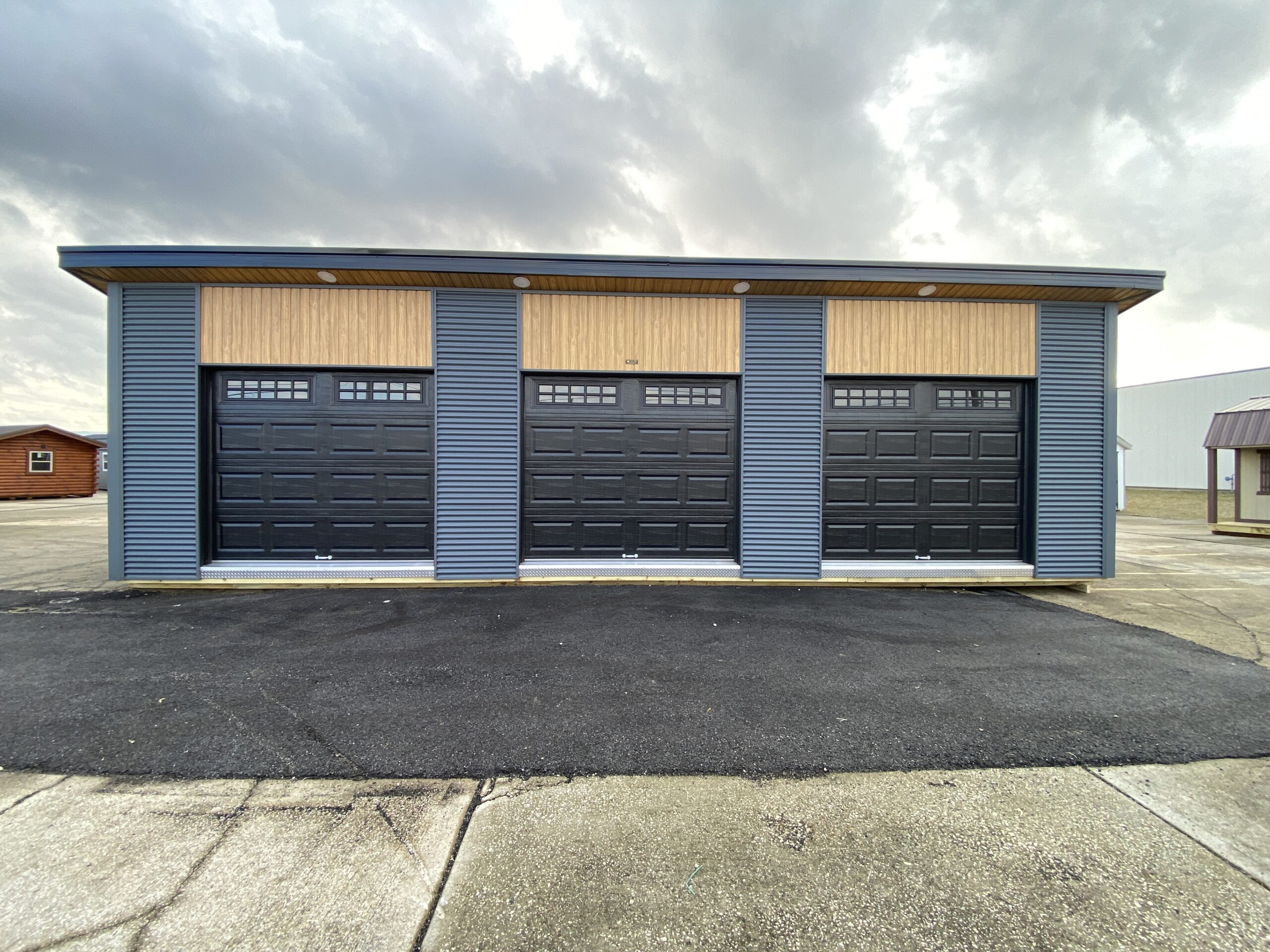
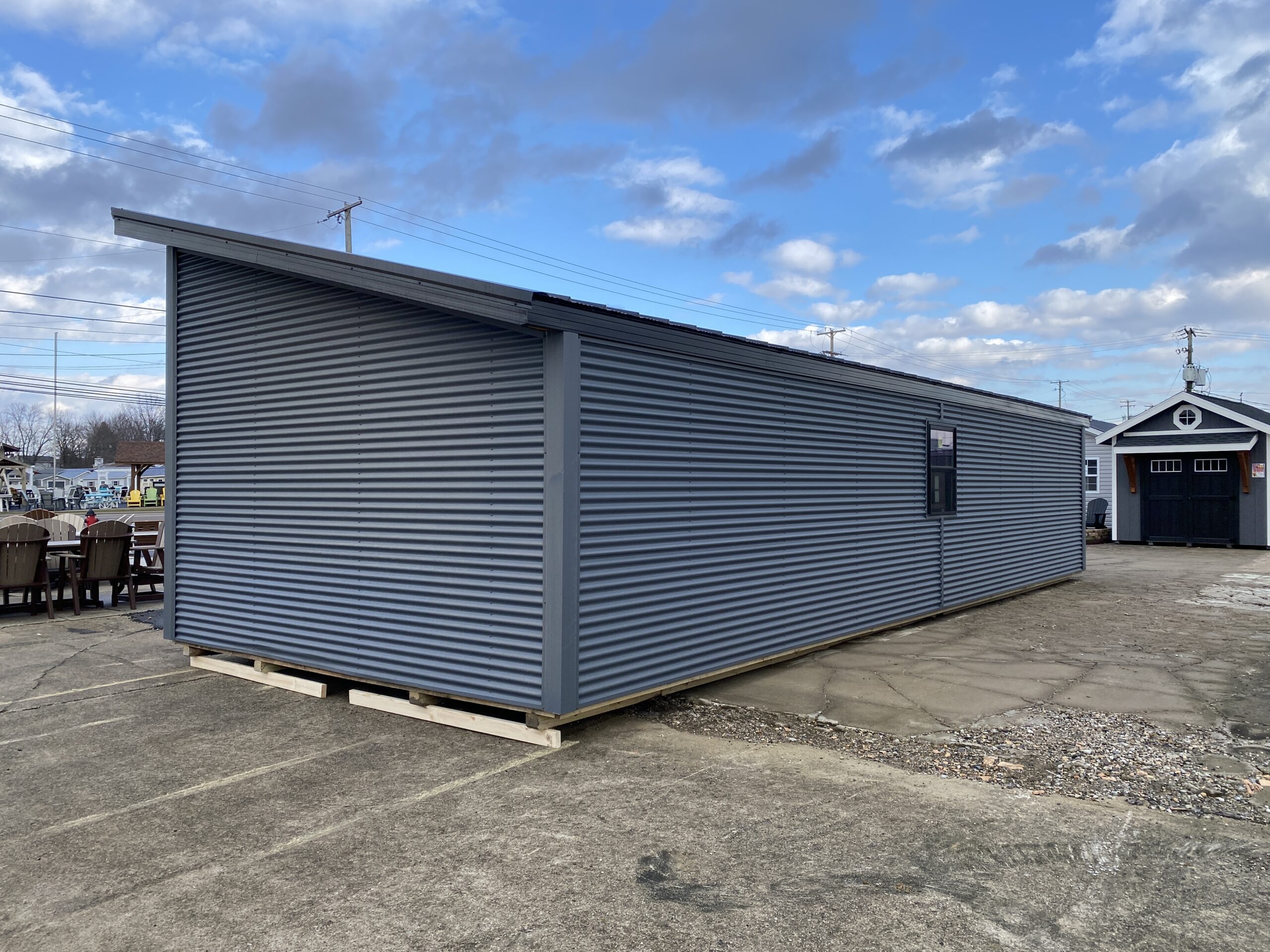
Size plays a major role in determining total cost. Smaller metal buildings require fewer materials, which lowers overall expense. However, larger buildings often offer better value per square foot. A mid sized option like the 14×36 Modern Garage provides a balance between usable space and affordability. As size increases, structural engineering requirements may also increase, which affects pricing. Choosing the right size depends on how the building will be used.
Material Quality and Steel Gauge
Steel quality and gauge thickness directly affect pricing. Thicker steel panels cost more but provide greater strength and resistance to damage. Lighter gauge steel lowers upfront cost but may reduce durability. Coatings and finishes also influence price. Galvanized and painted panels resist corrosion and extend lifespan. Selecting appropriate materials ensures the building performs well without overspending on unnecessary upgrades.
Foundation and Site Preparation Costs
Foundation work adds a significant portion to the total cost of a metal building. Common foundations include concrete slabs, piers, and perimeter footings. Soil conditions, slope, and drainage affect foundation pricing. Proper site preparation ensures stability and longevity. Skipping this step often leads to structural problems later. Factoring foundation costs early prevents budget surprises.
Building Purpose and Design Complexity
The intended use of a metal building strongly influences cost. Storage buildings require minimal features, while workshops and garages need additional design considerations. Door size, ceiling height, and ventilation add expense. A functional workspace like the 16×24 2 Story Workshop requires more structural support and interior planning. Purpose driven design ensures the building meets practical needs without unnecessary extras.
Customization and Add On Features
Customization increases cost but improves usability. Common upgrades include insulation, windows, skylights, and upgraded doors. Electrical wiring and plumbing raise expenses further. While basic buildings cost less, customized designs provide better comfort and functionality. Buyers should prioritize upgrades that support long term use rather than aesthetics alone.
Labor and Installation Costs
Labor costs vary depending on whether the building is professionally installed or owner assembled. Professional installation increases upfront cost but ensures proper assembly. DIY installation saves money but requires time and skill. Installation complexity affects labor pricing. Larger buildings and multi level designs cost more to assemble. Choosing the right approach depends on experience and schedule.
Delivery and Transportation Expenses
Transportation costs depend on distance, building size, and site access. Larger buildings require specialized delivery methods. Remote locations increase cost due to fuel and logistics. Preparing access roads reduces delivery complications. Including transportation costs in the budget prevents unexpected expenses.
Long Term Value and Maintenance Costs
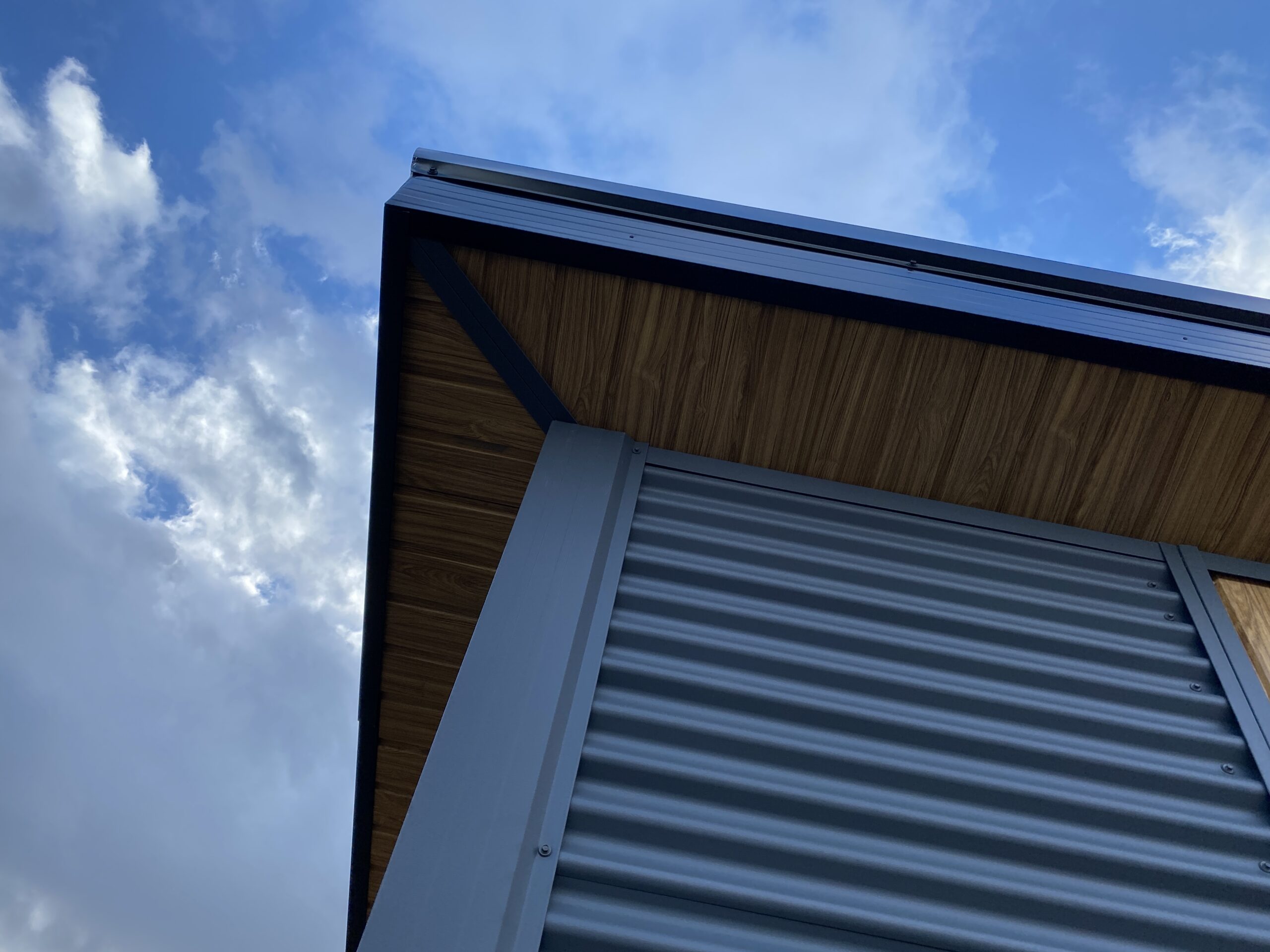
Metal buildings offer strong long term value due to durability and low maintenance needs. Steel resists pests, fire, and weather damage. Routine inspections and minor upkeep preserve performance. Although initial cost may be higher than some alternatives, long term savings often offset upfront expense. Buyers should consider lifecycle cost rather than purchase price alone.
Metal Buildings vs Traditional Construction
Metal buildings often cost less than traditional wood construction for similar uses. Faster build times reduce labor expenses. Prefabricated components improve consistency and efficiency. Traditional construction allows more customization but involves longer timelines. Comparing options helps buyers choose the most practical solution.
Industry Cost Insights
Industry pricing data provides useful benchmarks for planning. For a general overview of metal building costs, this guide from Fixr offers helpful cost comparisons and factors that influence pricing.
Conclusion
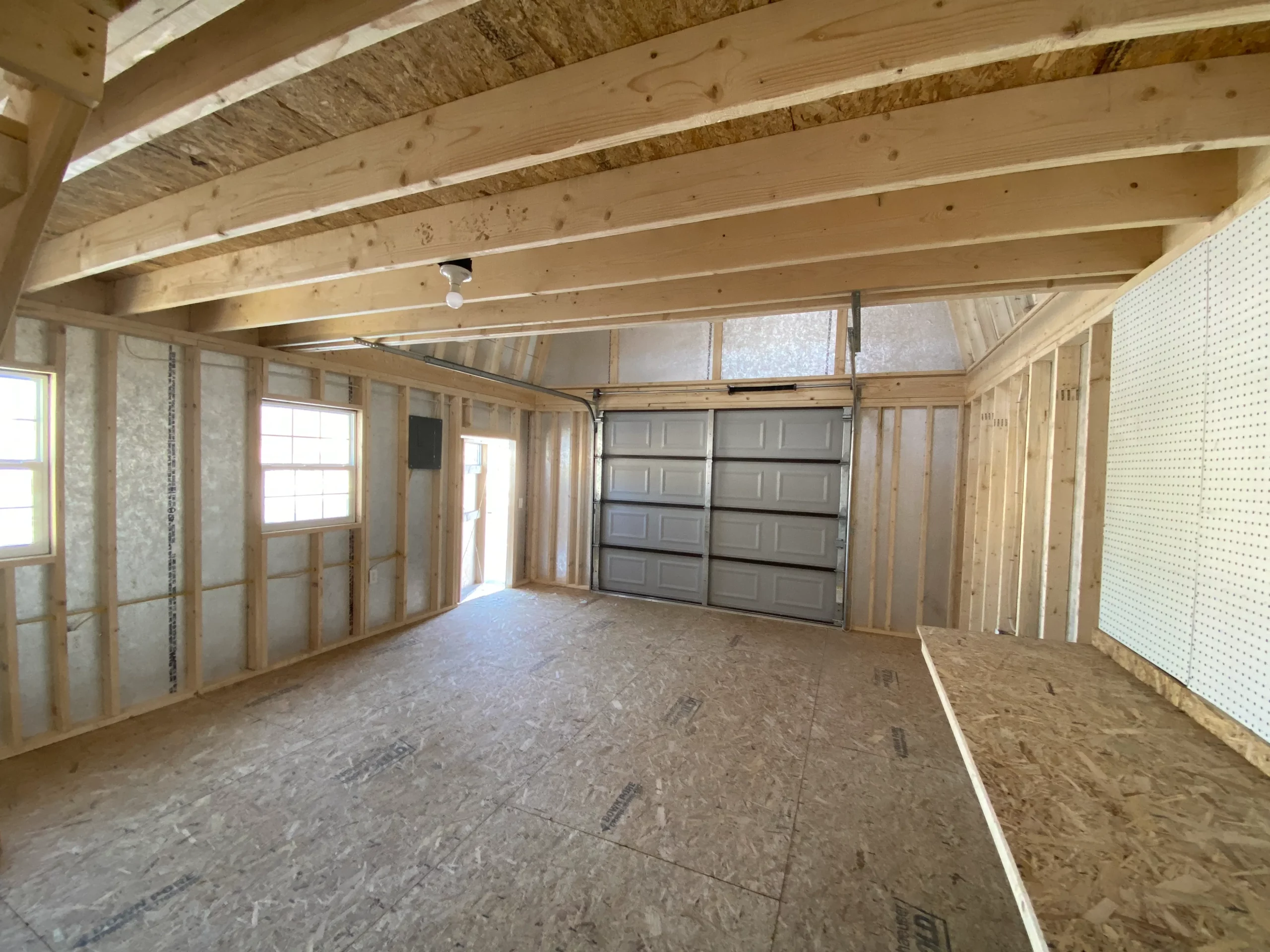
Metal building costs depend on size, materials, design, and site conditions. While prices vary, metal buildings offer durability, efficiency, and long term value. Ohio Cabins and Structures provides well built garages, workshops, and structures designed to meet a wide range of needs. This article explained how much metal buildings cost and what factors influence pricing. To explore available building options and learn more, visit Ohio Cabins and Structures.