
Cold garages become uncomfortable quickly during winter, especially for homeowners who use the space for storage, projects, workouts, or vehicle maintenance. That is why many people eventually ask how to heat garage in winter without creating extremely high energy bills or unsafe heating conditions. The best heating solution depends on several factors, including garage insulation, climate, garage size, and how often the space is used. Some garages only need occasional spot heating, while others require permanent systems capable of maintaining comfortable temperatures throughout the season. Knowing the different heating methods, insulation improvements, and safety considerations helps homeowners choose a practical setup that keeps the garage warm without wasting energy.
Why Garages Become So Cold During Winter
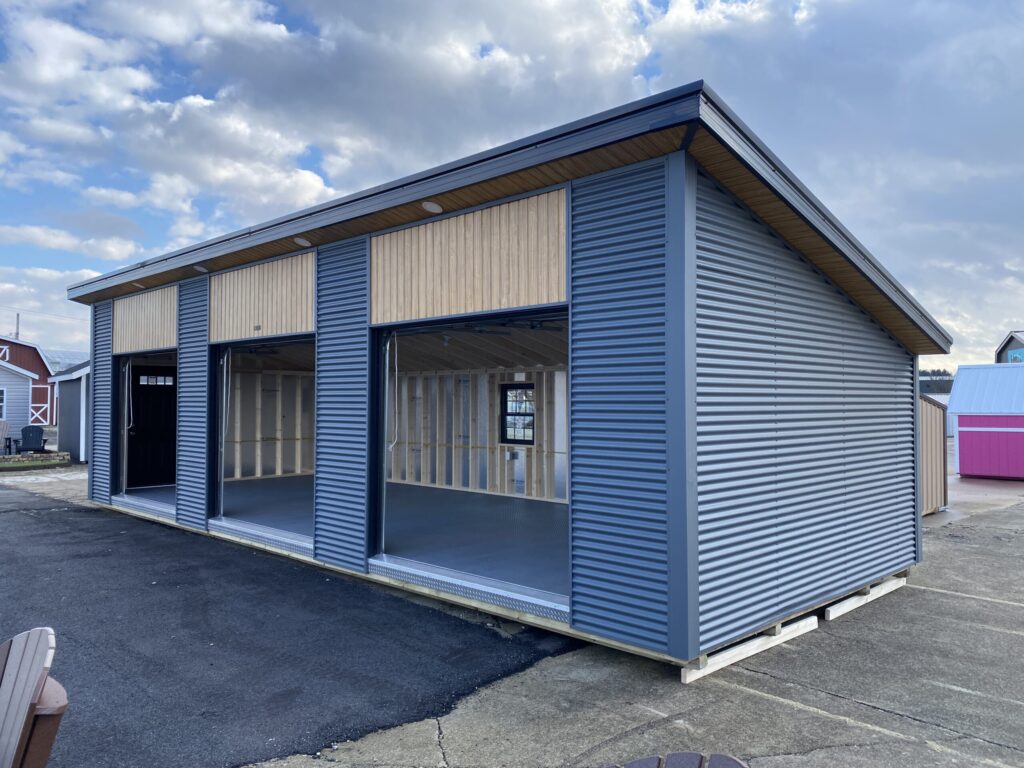
Many garages lose heat rapidly because they are not insulated as thoroughly as the main house. Concrete floors, thin garage doors, exposed framing, and unsealed gaps allow cold air to enter while warm air escapes quickly. Detached garages often become even colder because they do not share heated walls with the home itself. Large garage doors also contribute heavily to temperature loss because metal surfaces transfer outdoor temperatures directly into the space.
Garages used only for vehicle parking may not seem like a priority during warmer months, but winter temperatures can create major problems once homeowners begin using the space for hobbies, storage, or work. Extremely cold garages can also affect stored tools, batteries, paints, plumbing lines, and mechanical equipment. According to the ENERGY STAR program, improving insulation and sealing air leaks can significantly reduce heating loss and improve overall energy efficiency during colder months.
Insulation Is The First Step Before Adding Heat
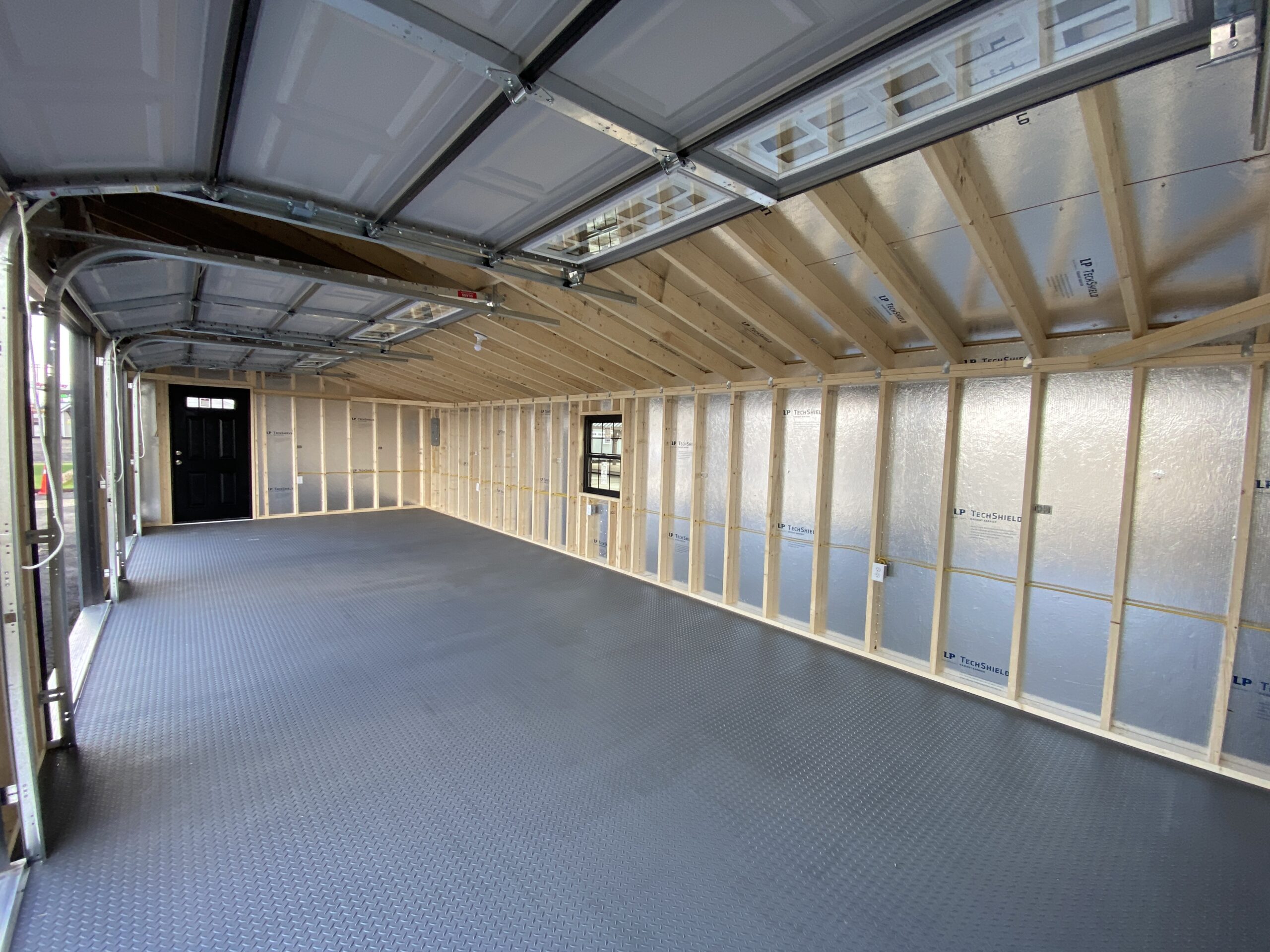
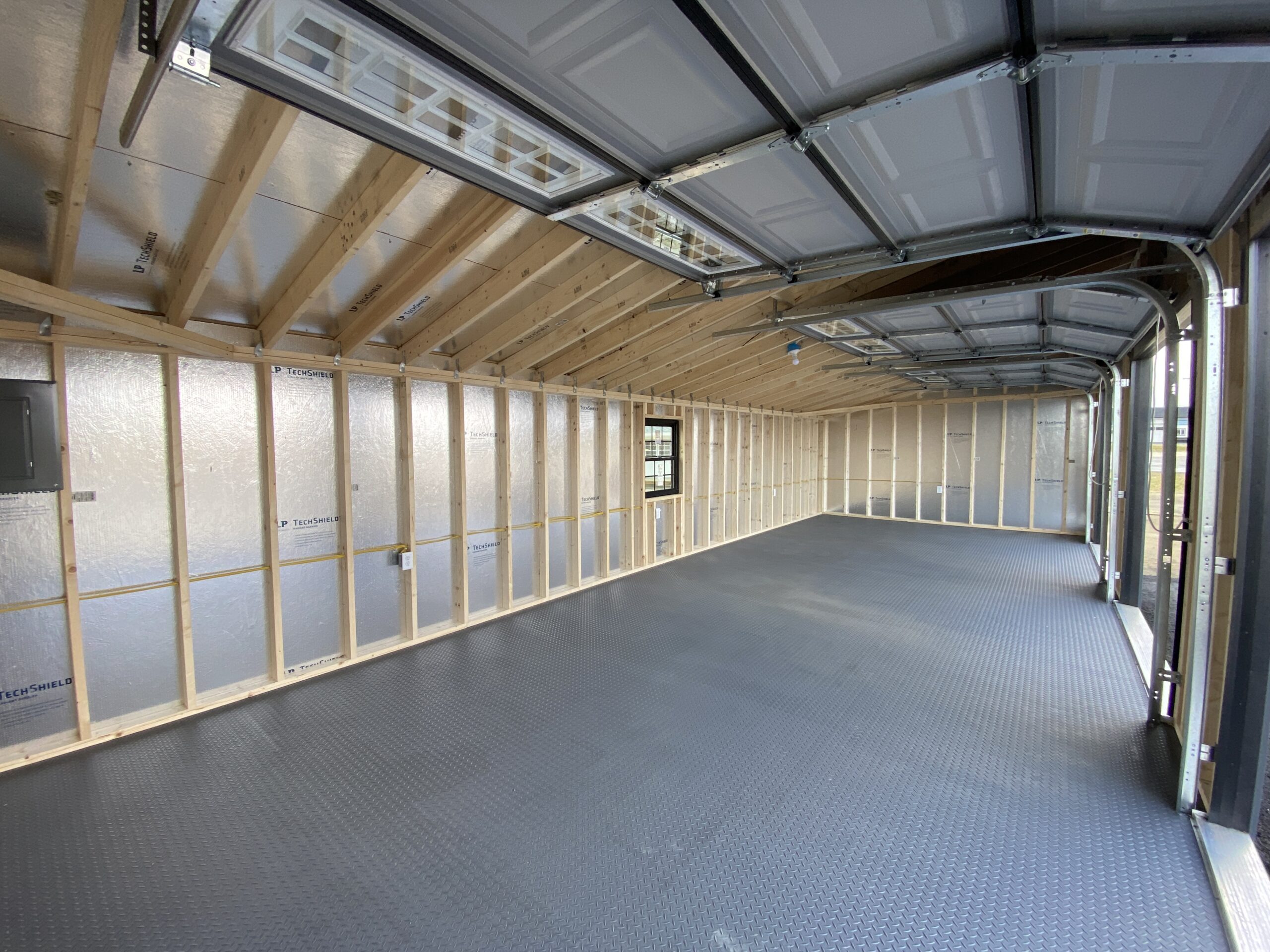
One of the biggest mistakes homeowners make when learning how to heat garage in winter is focusing entirely on heaters before improving insulation. Even powerful heating systems struggle to maintain comfortable temperatures if warm air escapes constantly through walls, ceilings, doors, and windows. Proper insulation dramatically improves heating efficiency while reducing long-term energy costs.
Garage doors are one of the most important areas to address because thin metal doors transfer cold temperatures quickly. Adding insulated garage door panels or upgrading to insulated doors can improve temperature stability significantly. Wall insulation, ceiling insulation, and weather sealing around windows and door frames also help trap heat inside the space. Homeowners with unfinished garages often notice major improvements simply by sealing air leaks and insulating exposed framing before installing any heating equipment. Better insulation allows smaller heating systems to work more effectively while reducing monthly operating costs throughout winter.
Electric Heaters For Smaller Garage Spaces
Electric heaters remain one of the simplest options for homeowners researching how to heat garage in winter because they are relatively affordable and easy to install. Portable electric space heaters work well for smaller garages or temporary heating situations where the space is only used occasionally. Ceiling-mounted electric heaters are another popular option because they save floor space while distributing heat more evenly throughout the garage.
Electric heaters work best in insulated garages where heat can remain trapped inside for longer periods. However, heating larger garages entirely with electricity can become expensive if the system runs continuously during cold weather. Homeowners should also ensure the garage electrical system can safely handle the heater’s power demands. Overloaded circuits create fire risks, especially in older garages with limited electrical capacity. Choosing properly rated equipment and following manufacturer safety recommendations is essential when using electric heating systems inside enclosed garage spaces.
Gas Heaters Provide Stronger Long-Term Heating
For homeowners needing more consistent winter heating, gas-powered systems often provide stronger and more efficient performance than portable electric heaters. Natural gas and propane garage heaters generate significant heat output and work especially well in larger garages or workshops used daily during the winter months. Ceiling-mounted forced-air gas heaters are common because they heat large areas quickly while keeping floor space clear.
Gas heaters generally cost less to operate long term compared to electric systems in colder climates, where continuous heating becomes necessary. However, installation is more complex because ventilation, gas lines, and carbon monoxide safety requirements must all be handled properly. Professional installation is strongly recommended to ensure safe operation and proper ventilation. Homeowners should also install carbon monoxide detectors whenever fuel-burning heating systems operate inside enclosed spaces. While gas heating systems require a larger upfront investment, they often provide better long-term comfort for heavily used garages.
Radiant Heating Works Well For Garage Comfort
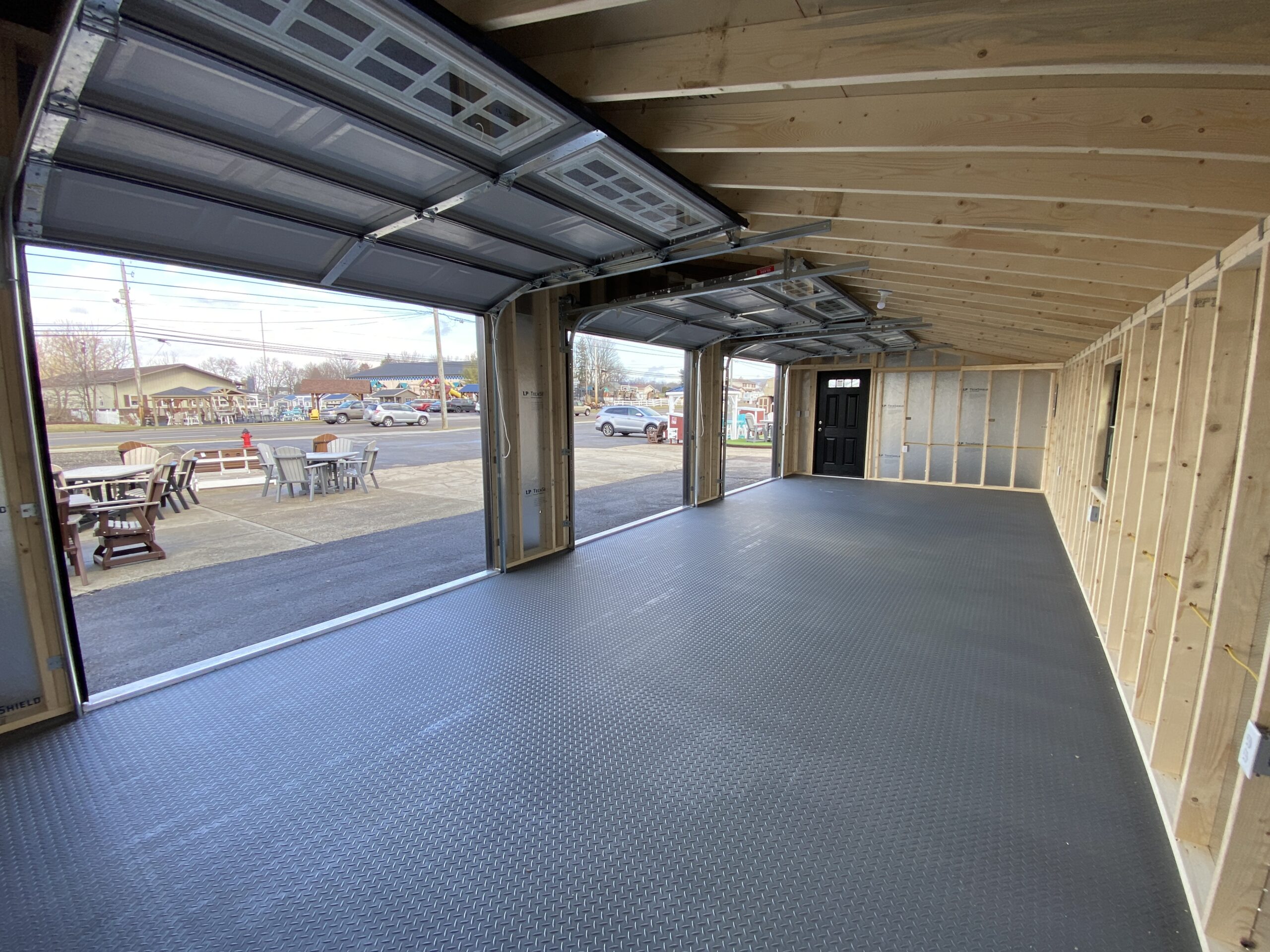
Radiant heating systems warm objects and surfaces directly instead of heating air alone. This makes radiant systems especially effective for garages because concrete floors and cold tools often remain uncomfortable even when the air temperature increases. Radiant floor heating systems installed beneath concrete slabs provide consistent warmth throughout the garage while eliminating the need for large visible heating units.
Infrared radiant heaters are another option for homeowners looking for targeted warmth in work areas or garage workshops. These systems heat people and nearby objects directly, making them useful for garages where only specific sections need regular heating. Radiant systems tend to feel more comfortable because they reduce cold floor surfaces and create steadier heat distribution. Although installation costs can be higher, radiant heating often improves winter comfort substantially in garages used for long work sessions or recreational activities.
Portable Heating Solutions For Occasional Garage Use
Not every homeowner needs a permanently heated garage. Some only require temporary warmth during occasional projects, workouts, or vehicle maintenance. Portable heating solutions work well in these situations because they allow homeowners to heat the garage only when necessary rather than maintaining constant temperatures all winter.
Portable propane heaters, electric ceramic heaters, and infrared units provide quick spot heating for short-term use. However, safety becomes especially important when using portable systems inside enclosed garages. Fuel-burning heaters require proper ventilation to prevent carbon monoxide buildup, while electric heaters should always remain clear of flammable materials. Portable heaters work best in partially insulated garages where heat can remain concentrated near work areas without escaping immediately through large air leaks or uninsulated surfaces.
Garage Layout And Building Design Affect Heating Efficiency
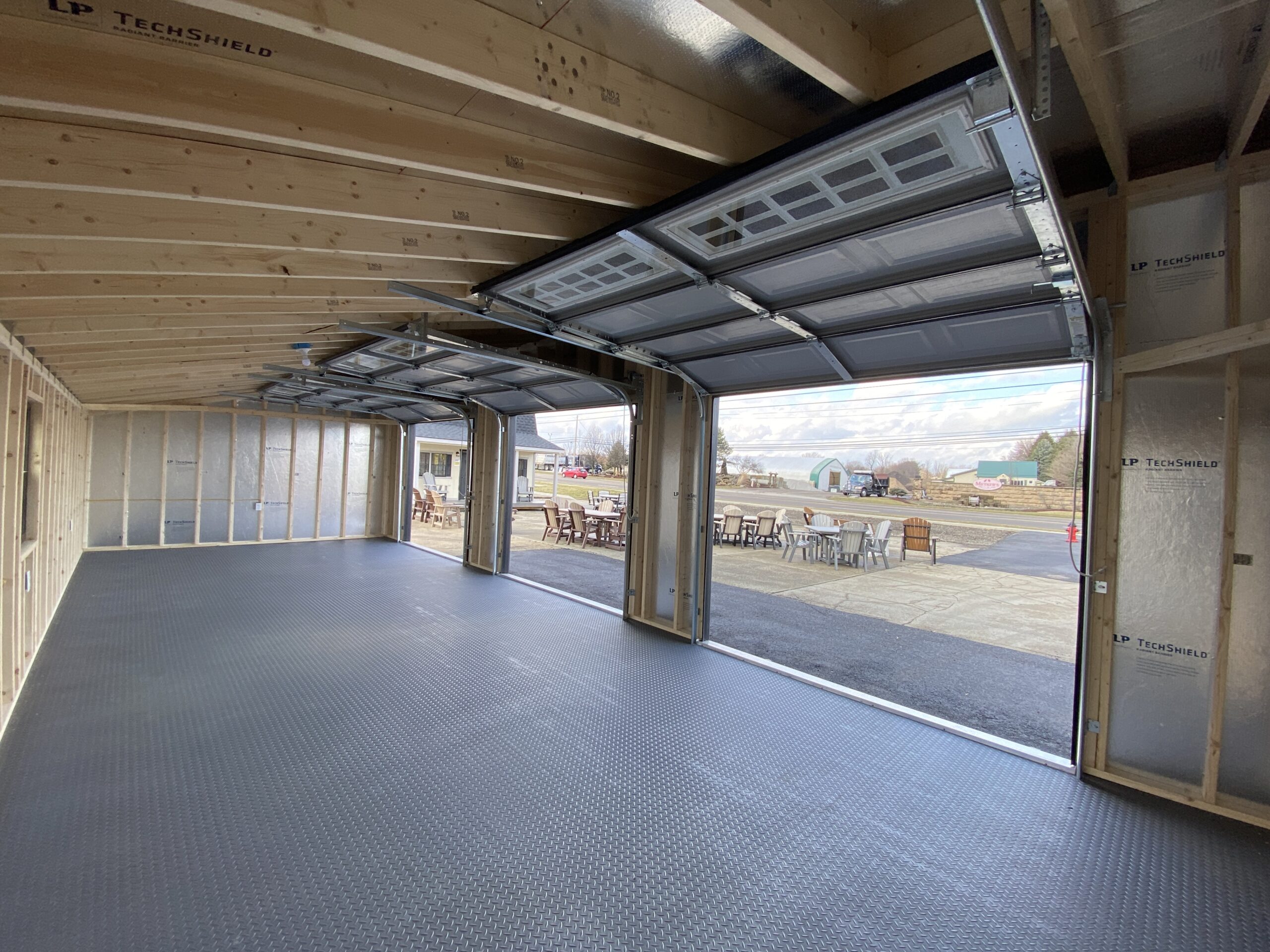
The overall garage design heavily influences how effectively the space can retain heat during winter. Large open garages naturally require more heating power than compact layouts because there is more air volume to warm. High ceilings also affect efficiency because warm air rises, leaving lower work areas colder unless fans or proper air circulation systems are installed.
Structures like the 14×36 Modern Garage provide layouts that allow homeowners to combine vehicle storage, workspace functionality, and more manageable heating zones during colder months. Organized layouts also improve heating efficiency because storage systems and partitioned workspaces help reduce open unused air volume that would otherwise require additional heating.
How Workshop Garages Require Different Heating Strategies
Garages used as workshops often require more consistent heating than garages used only for vehicle parking. Woodworking, automotive repairs, exercise equipment, and hobby spaces all become difficult to use in freezing temperatures. Homeowners spending extended periods inside garage workshops usually benefit from more permanent heating systems capable of maintaining steady comfort levels throughout winter.
Workshop garages also frequently contain tools, paints, adhesives, batteries, and materials that perform poorly in extremely cold conditions. Maintaining moderate temperatures helps protect equipment while creating a more comfortable work environment. Buildings like the 16×24 2 Story Workshop show how dedicated garage workshop layouts can support heating systems more effectively while separating storage and workspace functions for better overall winter usability.
Energy Efficiency Helps Reduce Winter Heating Costs
Heating a garage continuously during winter can become expensive if energy efficiency is ignored. Homeowners should focus on minimizing heat loss before increasing heating capacity. Insulated garage doors, sealed windows, upgraded wall insulation, and ceiling insulation all reduce operating costs substantially over time.
Programmable thermostats also improve efficiency by reducing temperatures automatically when the garage is not in use. Ceiling fans help circulate warm air trapped near high ceilings back toward occupied areas. Some homeowners also create smaller heated zones within larger garages to avoid wasting energy heating unused sections of the building. Combining insulation improvements with efficient heating equipment creates the best long-term balance between comfort and operating costs during cold winter months.
Conclusion
Learning how to heat garage in winter involves more than simply purchasing a heater. Insulation, garage size, building layout, and intended usage all influence which heating solution works best. Electric heaters may work well for smaller or occasional-use garages, while gas or radiant systems often provide better long-term comfort for larger workshops and heavily used spaces. Improving insulation first usually creates the biggest difference in both comfort and energy efficiency. Ohio Cabin and Structures continues to provide garages and workshop buildings designed for durability, functionality, and year-round usability.