Living off the grid offers the opportunity to become more self-reliant while reducing dependence on public utilities. Many people choose this lifestyle to gain greater freedom, lower long-term living costs, and enjoy a closer connection to nature. However, successful off-grid living requires much more than simply moving to a remote location. It involves careful planning for shelter, power, water, waste management, food production, and legal requirements. Understanding how each of these systems works together can help you avoid costly mistakes and build a sustainable lifestyle that meets your needs for years to come.
Understanding Off-Grid Living
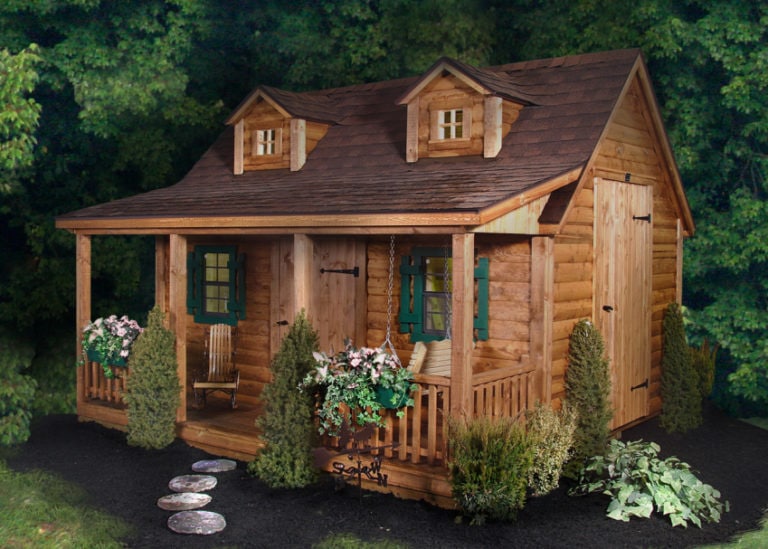
Living off the grid means disconnecting from traditional public utilities such as electricity, water supply, sewage systems, and sometimes even communication networks. People choose off-grid living for many reasons: reducing their environmental footprint, achieving financial freedom, preparing for emergencies, or simply seeking peace and privacy. The core pillars of off-grid living include generating power independently, managing water resources, handling waste sustainably, securing food supplies, and maintaining shelter built to endure all conditions.
Choosing The Right Land For Off-Grid Living
Selecting the right property is one of the most important steps in learning how to live off the grid. Before purchasing land, evaluate factors such as road access, soil quality, sunlight exposure, water availability, and local zoning regulations. Land that appears inexpensive may require significant investment to make it suitable for long-term living.
Access to a reliable water source is especially important. Some properties allow well installation, while others may be better suited for rainwater collection systems. Solar exposure also matters because trees, hills, and nearby structures can reduce energy production. Taking time to research the property before buying can prevent unexpected expenses and help ensure your off-grid setup is successful.
Building Shelter: Choosing Your Off-Grid Home
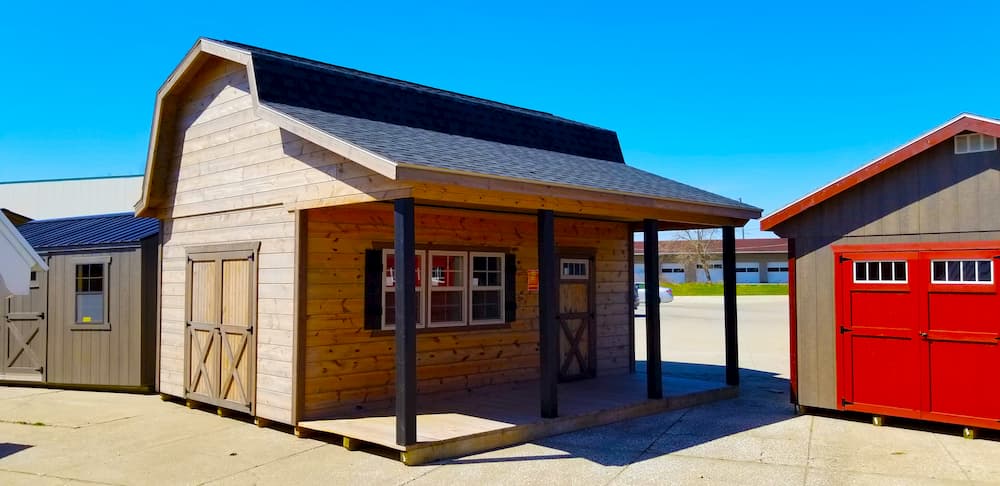
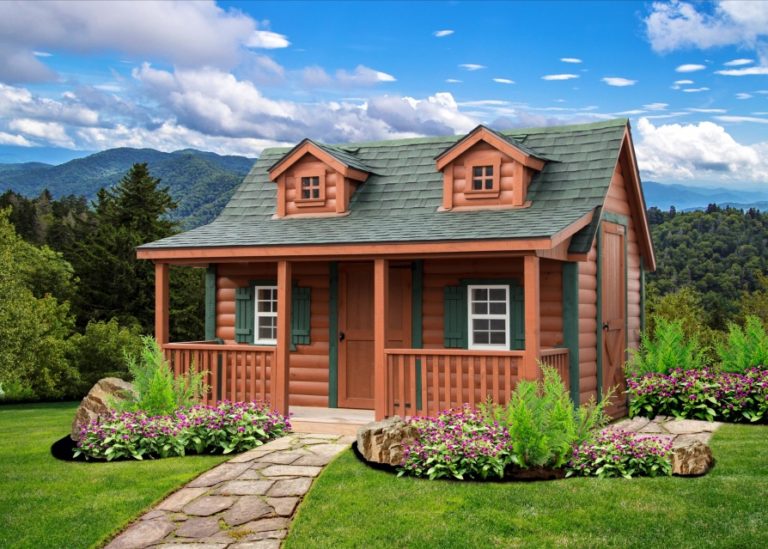
Choosing the right home structure is critical. Cabins, tiny homes, and cottages are popular off-grid options because they are efficient, durable, and adaptable. Companies like Ohio Cabins & Structures specialize in prefab cabins designed specifically for rural and off-grid living.
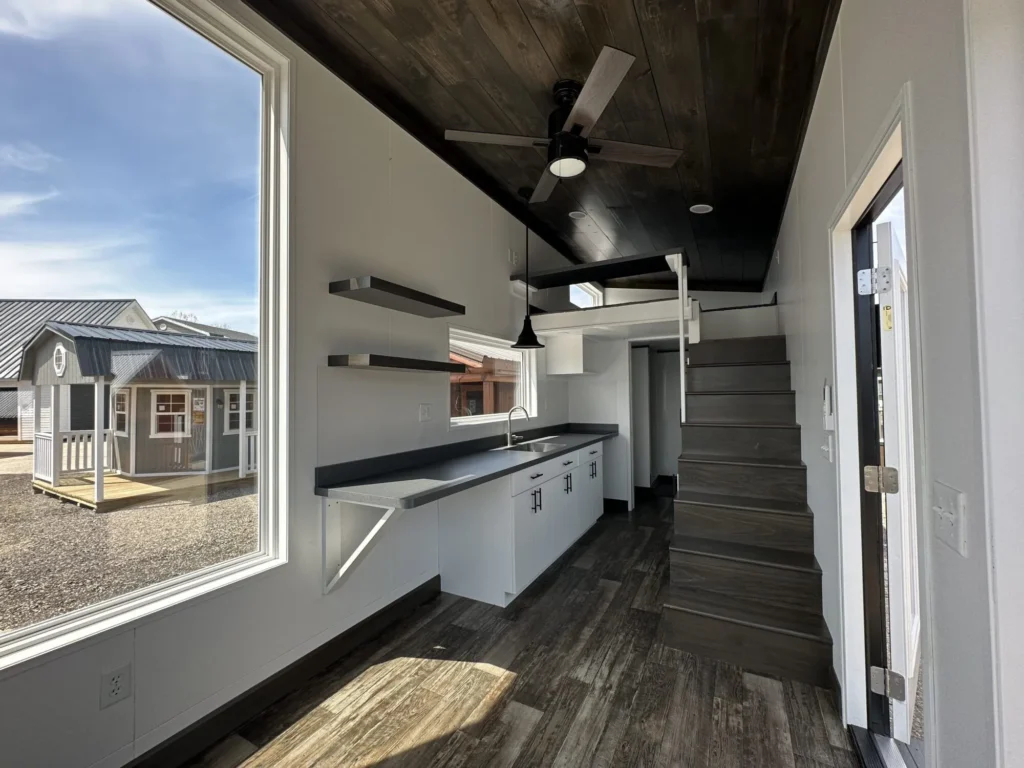
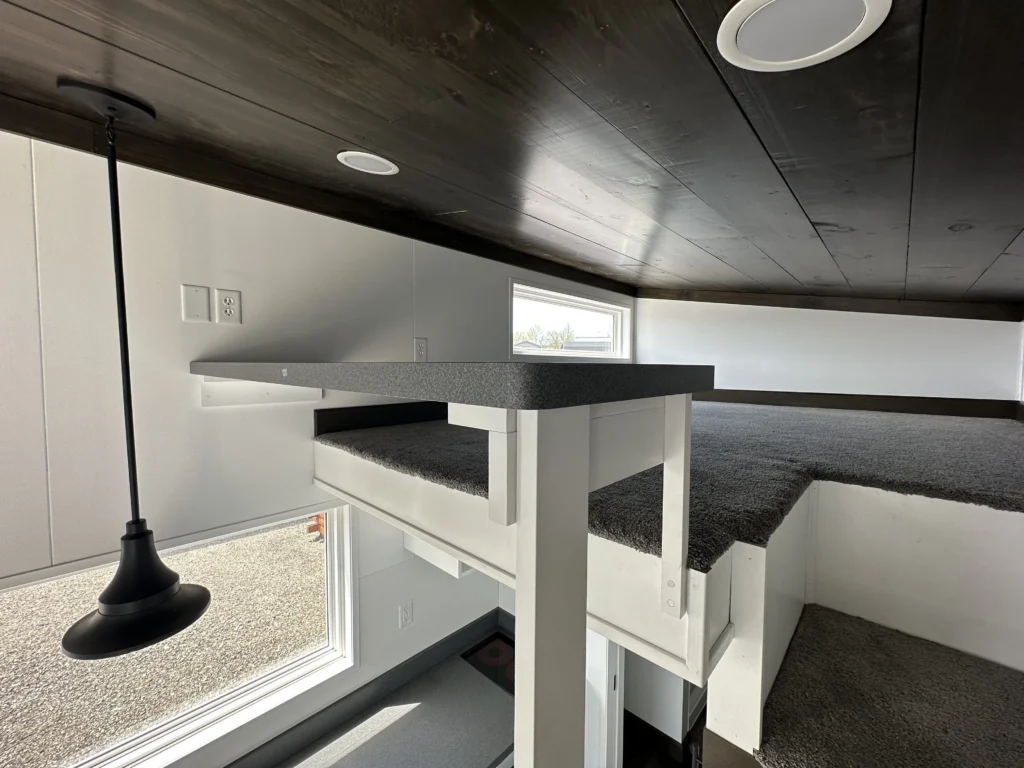
For many people, a cabin provides an ideal starting point for off-grid living. Smaller structures require fewer resources to heat, cool, and maintain, making them easier to manage while learning the basics of self-sufficiency. Ohio Cabins & Structures offers cabins, cottages, and tiny homes that can be customized for rural properties and off-grid applications, giving homeowners a solid foundation for independent living.
Key considerations when building or selecting your shelter include:
- Energy-efficient design
- High-quality insulation for year-round comfort
- Solar-ready roofing or space for solar panel installation
- Durable materials to withstand remote conditions
Starting with a compact, easy-to-maintain structure allows you to conserve resources and focus on sustainable systems.
Generating Off-Grid Power
Electricity is one of the biggest challenges for off-grid living. Fortunately, renewable technologies have made independent power generation more accessible. Common options include:
- Solar Power: Solar panels paired with battery storage systems can provide reliable electricity.
- Wind Turbines: Ideal in areas with consistent wind patterns.
- Micro-Hydropower: Suitable if you have access to flowing water year-round.
Most off-grid homes combine multiple sources for redundancy. Solar is the most popular starting point due to its scalability and falling costs.
Battery systems, such as Tesla Powerwall or off-grid battery banks, store excess energy for nighttime or cloudy days, ensuring uninterrupted access to power.
Managing Water Resources
Water independence is essential. Your options for securing a water source include:
- Wells: Drilled or dug wells provide reliable, renewable water.
- Rainwater Harvesting: Systems capture and filter rainwater for household use.
- Surface Water: Streams, ponds, or lakes can be sources with proper filtration.
Investing in water purification systems (like UV filters, ceramic filters, or reverse osmosis systems) ensures that your water remains safe for drinking and cooking.
Waste Management Solutions
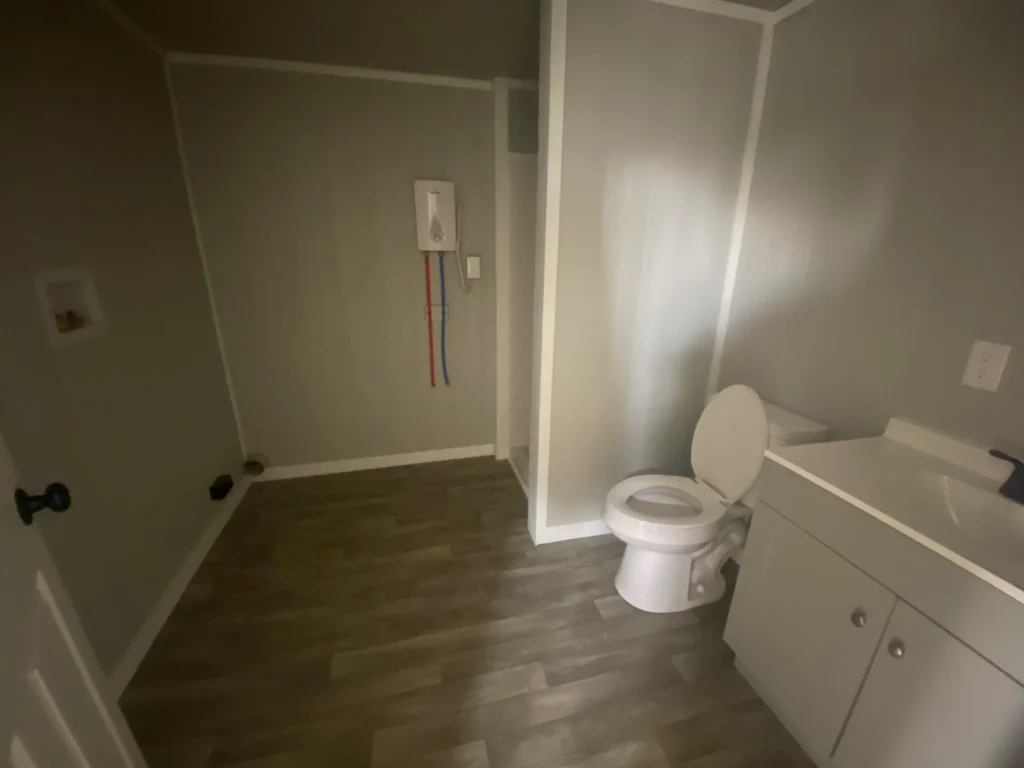
Off-grid waste management must be both sanitary and eco-friendly. Key methods include:
- Composting Toilets: Break down waste naturally without water.
- Septic Systems: Common for larger off-grid properties.
- Greywater Systems: Recycle water from sinks and showers for garden irrigation.
Efficient waste management protects your environment and maintains the health and comfort of your home.
Securing Food and Self-Sufficiency
Food independence often plays a major role in off-grid living. Options include:
- Gardening: Growing fruits, vegetables, and herbs on-site.
- Livestock: Raising chickens, goats, or other small animals.
- Preservation: Canning, dehydrating, and freezing food to store harvests year-round.
- Foraging and Hunting: Supplementing your food supply with wild resources.
Many off-grid homesteaders start small and expand as they gain experience managing land and resources.
Communication and Internet
Staying connected while off-grid is easier than ever. Solutions include:
- Cellular Hotspots: Portable internet powered by nearby cell towers.
- Satellite Internet: Providers like Starlink offer high-speed, low-latency internet in remote areas.
This allows for remote work, online education, emergency communication, and entertainment without sacrificing the off-grid experience.
Financial and Legal Considerations
Before leaping, plan carefully for the financial and legal aspects:
- Research zoning laws and building codes.
- Budget for land, construction, systems, and ongoing maintenance.
- Secure permits for wells, septic systems, or alternative energy installations.
- Investigate property taxes and insurance options for off-grid properties.
Proper planning helps ensure a smooth transition and minimizes unexpected setbacks.
How Much Does It Cost To Live Off The Grid
The cost of living off the grid varies based on location, property size, and the systems you install. Major expenses often include purchasing land, building or buying a home, installing solar panels and battery storage, drilling a well, and setting up a septic system. Depending on the property and level of self-sufficiency desired, startup costs can range from several thousand dollars to well over six figures.
Although the initial investment can be substantial, many off-grid homeowners reduce or eliminate monthly utility bills over time. Careful budgeting and long-term planning can help make the transition more affordable while ensuring essential systems remain reliable.
Common Mistakes New Off-Grid Homeowners Make
Many people are drawn to off-grid living because of the freedom it offers, but several common mistakes can make the transition more difficult. One of the biggest mistakes is purchasing land before researching zoning restrictions, building requirements, and utility limitations. Another is underestimating the cost of water, power, and waste management systems.
Some homeowners also install solar systems that are too small for their energy needs or fail to plan for seasonal weather changes. Others focus heavily on construction while neglecting food production, maintenance, and emergency preparedness. Taking time to create a realistic plan before moving off-grid can help avoid expensive setbacks and improve long-term success.
Mental and Emotional Preparation
Living off-grid is incredibly rewarding but can also be challenging. Isolation, maintenance demands, and a learning curve around self-sufficiency require mental resilience and a willingness to adapt.
Building skills in carpentry, gardening, plumbing, and electrical work will be invaluable. Community connections with other off-grid residents can also offer support, advice, and camaraderie.
Conclusion
Learning how to live off the grid requires planning, preparation, and a commitment to self-reliance. From selecting the right property and building a suitable home to generating power, securing water, and managing waste, every system plays an important role in creating a successful off-grid lifestyle. While the transition can be challenging, it also offers greater independence, sustainability, and freedom from many of the limitations of conventional living.
Whether you’re planning a weekend retreat, a full-time homestead, or a remote cabin getaway, starting with a durable and efficient structure can make the process much easier. Explore the off-grid-friendly cabins and cottages available from Ohio Cabins & Structures to find a building designed for long-term performance and comfortable independent living.